“என்னென்று சொல்வேன்; என்னென்று சொல்வேன்;
தமிழால் பாரதி தகுதி பெற்றதும்
தமிழ் பாரதியால் தகுதி பெற்றதும்” என்ற பாரதிதாசனின் கவிதை வரிகளைப் போல…
“என்னென்று சொல்வேன்; என்னென்று சொல்வேன்;
ஓவியத்தால் மணியம் தகுதி பெற்றதும்
ஓவியம் மணியத்தால் தகுதி பெற்றதும்” எனச் சொல்ல தோன்றுகிறது.
பிரபஞ்சத்தைப் படைத்தான் பரமன். அந்தப் பரமனையே தமது தூரிகையால் படைத்தார் மணியம். லலித் கலா அகாடமியில் இன்று நான் கண்டவை வெறும் ஓவியங்களில்லை.
பரமனைக் கண்டேன்; ஒப்பில்லா பேரழகு வாய்ந்த பரமனைக் கண்டேன். எழில் கொஞ்சும் அவன் மனையாளைக் கண்டேன். தெய்வத் தம்பதியரின் இணக்கத்தைக் கண்டு பூரித்தேன்.
மைதிலிக்கு வில் வளைக்கக் கற்றுத் தந்த மனங்கவர் ராமனைக் கண்டேன்.
தேவர், கந்தர்வர், வனப்பு மிகு மகளிர், அழகு மயில், செழிப்பான வனங்கள் இன்னும் பல ஓரிடத்தில் இருக்கக் கண்டேன்.
பூங்குழலியையும், வந்தியத்தேவனையும், நந்தினியையும், குந்தவையையும் நேரில் சந்தித்து நலம் விசாரித்தேன்.
பல்லவன் கலையும் சோழன் கலையும் ஒரு சேர ஒருவர் தூரிகையால் மறு பிறவி எடுத்த அதிசயத்தைக் கண்டேன்.
கலை மகளுக்குத் தான் என்னவொரு ஓர வஞ்சனை. ஒரே குடும்பத்தில் தன்னுடைய அருளை முழுவதுமாகச் செலவழித்து விட்டாளே. மணியத்தின் ஓவியங்களைச் சுவைத்துத் திருப்தியுடன் வெளியில் வந்தால், அவருக்கு நிகரான மணியம் செல்வனின் ஓவியங்கள். ஒரே கூடத்தில் இரண்டு பிரம்மாக்கள்.
*******************************************************************************************************************
Regardless of the multitude of individuals indifferent to their own strength, affiliations, or community ties, when confronted with injustice, I have consistently chosen to confront and question without reservation. In most cases, the affected party has been a stranger to me.
From my college days onward, I have actively participated in blood donation, provided various pro bono services, and donated personal funds. These actions were undertaken without any desire for self-promotion, to the extent that the beneficiaries often remain unaware of the contributor’s identity.
Certain decisions, undisclosed for privacy reasons, have placed me in significant jeopardy, nearly jeopardizing my career or life. Nonetheless, I find solace in knowing that these choices have profoundly benefited numerous individuals.
Admitting without hesitation that in the past year, I have felt fatigued by such endeavors, my upcoming New Year’s resolution may involve refraining from engaging in social activities that cause personal distress. I will continue assisting those who seek my help, but I plan to refrain from voluntary involvement beyond what is reasonably expected.
*****************************************************************************************************************
எம்.ஜி.ஆரும் நானும்
சிவந்த நிறம், சுருள் முடி, இரட்டை நாடி (cleft chin) – எம்.ஜி.ஆர். வேடத்துக்குப் போட்டியின்றி தேர்ந்தெடுக்கப்பட்டேன். ஆனால் கடைசி நேரத்தில் அந்த வேடம் ஏதோ ஒரு வட்டச் செயலாளரின் மகனுக்குப் போய் விட்டது. என்னைக் கடற்கரையில் உள்ள ஒரு தலைவரின் சிலையாக நிற்க வைத்துவிட்டனர். எம்.ஜி.ஆராகத் தோன்றிய ஒரே காரணத்துக்காக அந்தச் சிறுவனுக்கு மட்டும் பரிசு மழை. மூன்றாம் வகுப்பிலேயே அரசியலின் அடிச்சுவடி எனக்குப் புரிய இந்தச் சம்பவம் உதவியது.
நான்காம் வகுப்பு – திருநெல்வேலி தெற்குப் புதுக் தெருவில் மக்கள் வெள்ளம். அந்த வெள்ளத்தில் சிறு துளியாக நான். இருளைக் கிழித்துக் கொண்டு ஆயிரம் சூரியர்களின் பிரகாசத்துடன் ஒரு முகம் சில நொடிகள் தோன்றி மறைந்தது. ஆச்சரியத்தில் விரிந்த என் கண்கள் இயல்பு நிலைக்குத் திரும்ப ஒரு மணி நேரமானது.
ஐந்தாம் வகுப்பு – கனவுகள் காணாத எனக்கொரு கெட்ட கனவு. பதற்றத்துடன் விழித்தெழுந்தேன். இது உண்மையா – இப்படி நடக்குமா – யாரிடம் கேட்பது? இறைவன் இறந்து விட்டதாகக் கனவு. சில நிமிடங்களில் வானொலியில் செய்தி – எம்.ஜி.ஆர் மறைந்து விட்டார்.
ஆன்மிகம், அரசியல் நிலைப்பாடு, உடற்பயிற்சியில் ஆர்வமின்மை, சைவ உணவை மட்டும் உட்கொள்ளுதல், இன்னும் சில விஷயங்களில் எம்.ஜி.ஆருடன் எனது குணாதிசயம் மாறுபட்டது. ஆயினும் ஆரம்பக் காலத்திலிருந்து அவருடைய வாழ்விற்கும் என்னுடைய வாழ்விற்கும் உள்ள சில ஒற்றுமைகள் அவரை அவ்வப்போது நினைவு கொள்ள வைக்கிறது. சிறு வயதில் தந்தையை இழந்தது, இளமையில் வறுமை, வாய்ப்புக்காக அலைந்தது, 40 வயதைத் தாண்டியே வெற்றியைச் சுவைப்பது, இன்னும் பல.
எம்.ஜி.ஆர். இயக்கிய படங்களை வேறு யாரோ இயக்கினார், அவருக்கு நடிக்க மட்டுமே தெரியும் எனக் குறை சொல்வோர் உண்டு. ஆனால் உண்மையில் தாம் நாயகனாக நடித்த ஒவ்வொரு படத்தின் அனைத்து விஷயங்களையும் கூர்ந்து ஆராய்ந்து முடிவெடுத்தவர் அவர். சினிமாவின் அனைத்து விஷயங்களும் அத்துப்படி. இவர் நடித்த படங்களுக்கு இயக்குனர்கள் பெயருக்குத் தான் – இவர்தான் உண்மையான இயக்குனர். இந்த விஷயத்திலும் எனது வாழ்க்கை இவருடன் ஒத்துப் போகிறது. குறிப்பிட்டுச் சொல்ல விரும்பவில்லை.
இவருடைய இளமைக்காலக் கசப்பு அனுபவங்கள், இவர் அனைவரையும் வயிராற உணவளிக்கத் தூண்டுகோலாக அமைந்தது. அதைப்போல் எனக்கு நேர்ந்த அனுபவங்கள், அனைவரையும் சமமாக மதிப்பதற்குத் தூண்டுகோலாக அமைந்தது. மற்றவர்களுடைய வயிற்றில் அடிப்பவர்களை இவர் என்றும் மன்னித்ததில்லை. அதைப்போல மற்றவர்களை அவமதிப்பவர்களை நான் என்றும் மறப்பதில்லை.
வளர்ச்சியைக் கண்டு முகம் சுளிப்பவர்களுக்குத் தெரியாது – எம்.ஜி.ஆராய் வாழும் வலி. போராடி வெல்பவர்களுக்குத்தான் தெரியும் வாழ்வின் உண்மையான சுவையும், அதை அடைய ஏற்பட்ட வலியும் வடுக்களும். எம்.ஜி.ஆராய் இருப்பது சுலபமில்லை. இந்தக் கிருஷ்ணகுமாராய் இருப்பதும் சுலபமில்லை.
என்னவெல்லாம் இருந்தாலும்….இவருடைய முகக் கவர்ச்சி – அதில் கோடியில் ஒரு பங்கு கூட என்னிடம் இல்லை. (நாம தப்பித்தவறி தேர்தல்ல நின்னா, மைனஸ்ல தான் நமக்கு ஓட்டு விழும்….நம்ம முகரக்கட்டை கவர்ச்சி அந்த ரேன்ஜுல இருக்கு.)
***********************************************************************************************************************
I’ve engaged in self-critique and self-deprecating humor countless times in the past. Now, for a refreshing change…
Throughout my life, I take pride in consistently and consciously adhering to certain principles. I treat everyone with equal respect, listen attentively to each person, and play the perfect host for everyone. Even when addressing a group, I make a point to look at everyone’s face as I speak. Caste, religion, nationality, gender, ideology, language, color, education, professional qualification, public status, financial status; none of these matter to me. Everyone is equal in my eyes.
*********************************************************************************************************************
I see myself as the Sahadeva of Mahabharata. Reflecting on my years, I’ve offered crucial advice to over a hundred people on personal, financial, professional, and career matters. Some found love, others averted separation; some made successful investments, while others dodged risky decisions; a few soared up the career ladder. It may sound amusing, but it’s true. Even to those who betrayed me, I’ve given heartfelt advice, akin to Sahadeva counseling Duryodhana in the final battle. Somehow I am unable to resist offering sincere guidance to anyone seeking it. But, I remain as the ordinary Sahadeva forever.
*********************************************************************************************************************
Rama should never become Ravana; but there is no harm in aspiring to become Krishna. Right?
********************************************************************************************************************
My only prayer to God is to surround me with virtuous people who inspire me to grow, even if it means feeling a little ashamed of myself.
*******************************************************************************************************************
In my absence, some unexpected guests graced our home with their presence. Among them, a rather audacious individual took it upon themselves to inquire about my elderly mother’s age. To my delight, my younger daughter responded with remarkable wit, saying, “I will not tell you!” It seems she has a natural talent for handling such questions, perhaps even surpassing her father in style and poise.
******************************************************************************************************************
In my life, righteousness and faith in God are deeply intertwined. When faced with a choice, I will always choose to live by the principles of righteousness.
******************************************************************************************************************
Ah, let’s take a walk down memory lane, shall we? Back in the golden age of my IT career initiation, weekends were just extra workdays in disguise. Oh, the thrill of staying put at the office, becoming one with your desk, a timeless tradition! It was practically etched in the stone tablets of workplace conduct. But oh, how the times have danced to a new tune! Nowadays, summoning folks to the office for a bit of good ol’ work has transformed into an epic saga. A challenge, one might say. How the mighty have fallen!
******************************************************************************************************************
Oh, here’s a little dose of reality TV, ever noticed the spectacular synchronicity between prize winners and the award-givers? What a spectacular spectacle! And let’s not forget the benevolent ballet of donors and recipients, all elegantly swiveling their heads in perfect harmony towards the camera. Bravo! Such a natural and unscripted phenomenon, isn’t it?
******************************************************************************************************************
Ah, gather ’round for some wisdom! You know how they say, “Make sure everyone’s aware when you slip up, but let your virtuous deeds dance in the shadows”? Now, as for the clever mind dropping these gems, I’ll give you a hint…it’s someone not exactly keen on claiming the limelight. You catch my drift? 

******************************************************************************************************************
Oh, absolutely delightful! Because, you know, it’s abundantly clear that to fully grasp the intricacies of what modern Tamil speakers are saying, the audience should totally hold a master’s degree in English literature. Because, why not, right? The blending of languages is just a walk in the park for everyone. Genius!
******************************************************************************************************************
People often pester me with the classic question: “How on earth do you manage to keep up with regular blogging?”
Well, gather ’round, curious souls! Picture this: a non-smoking, teetotaling, party-skipping, cricket-ignoring, small-talk-resistant individual who’s no TV addict. You’re probably thinking, “What’s left?” But fear not, for I shall unravel the mystery of my leisure hours. And guess what? When stress comes knocking, blogging swoops in like a superhero, my trusty stressbuster!
******************************************************************************************************************
தாமிரபரணியில் அதிகாலையில் குளித்து நதிக்கரையில் உள்ள சிவன் கோவிலில் தொண்டு புரிந்து, எப்போதும் பரமேஸ்வரனை மட்டுமே தியானம் செய்து கொண்டு நதிக்கரையிலேயே காலம் தள்ள ஆசைதான். ஆனால், பற்றற்ற வாழ்க்கையில் பற்றிருந்தாலும், பற்றிக் கொண்ட வாழ்க்கையைப் பறி கொடுக்க இயலாது.
******************************************************************************************************************
Once upon a time, I was a book-devouring champion, reading one book every single day. Then life decided to switch up the rhythm, and my pace cooled down to a week, then a month per book. And now, hold your literary horses, it’s been a whopping four months since a book saw the light of my day. Life’s doing its thing! Oh, and speaking of brainy aspirations, despite wrestling with countless hefty books, my IQ’s decided to stay camera-shy. Can you believe the nerve? But hey, who needs all those IQ points anyway, when you’ve got a personality as dazzling as mine, right? 
******************************************************************************************************************
There’s a speaker all set to introduce a particular subject. But wait, there’s more! Another speaker steps in to introduce the first speaker. Now, the burning question is, who’s going to introduce this second speaker?
******************************************************************************************************************
I’ve observed this tendency among a few. They display an equal sense of appreciation for everyone, perhaps viewing this behavior as a virtuous form of encouragement. However, my perspective differs. While uplifting people might offer immediate advantages, it holds little value in the grand scheme of things. Instead, it’s more effective to offer constructive criticism and recommendations for areas that need improvement. Constructive feedback consistently outweighs insincere praises. Furthermore, I believe this approach contradicts the recognition that genuine high achievers and performers deserve. Shouldn’t they receive distinct treatment compared to those who haven’t fared as well?
******************************************************************************************************************
Oh, it’s truly a marvel to behold why folks generously part with their fortunes to claim those precious minuscule city flats. After all, who wouldn’t want to revel in the exquisite ambiance of scarce water and invigoratingly stagnant air? And the dearth of trees, well, it’s a small sacrifice for the privilege of navigating those charmingly overcrowded roads, perfect for testing one’s patience while attempting the art of walking or driving.
******************************************************************************************************************
உடையில் எளிமை என்பது படாடோபமான பகட்டான ஆடைகளை அணியாமல் இருப்பதாகும். இடத்திற்கேற்ற தகுந்த உடைகளை அணியாமல் இருப்பதன்று. கிழிந்த உடை, ரவுண்டு நெக் டீ ஷர்ட், அழுக்கான உடை, ரப்பர் செருப்பு – இதையெல்லாம் அணிந்து மேடைகளில் தோன்றுவதும், திரைகளில் தோன்றுவதும்…
******************************************************************************************************************
I occasionally make choices that aren’t always optimal, not because of incompetence, but due to my inclination to assist others, often resulting in neglect, disrespect, or personal setbacks. However, I find contentment in one unwavering decision: maintaining a distance from politicians. If I had pursued these connections, I could have effortlessly cultivated relationships with individuals spanning from mayors to influential figures within the current ruling party, even encompassing a former candidate for Chief Minister.
******************************************************************************************************************
The great epic, Mahabharata holds my thoughts captive every single day, and I find myself drawing parallels between its profound episodes and various occurrences in my personal, professional, social, and political spheres. I’m fueled by the ambition to eventually reinterpret this magnificent epic through my own lens, encompassing all these multifaceted aspects. My ultimate goal is to present this narrative in a manner that is effortlessly understandable and within reach of all individuals, irrespective of their financial constraints, ensuring it becomes a universally accessible treasure. But, my commitments….it will take ages to reach there.
******************************************************************************************************************
For me, the essence lies in discipline. I strive for the liberation of orderly and disciplined individuals from the hardships inflicted by disorganized and undisciplined individuals.
Discipline encompasses a spectrum that spans from adhering to punctuality, upholding traffic regulations, treating all with equanimity, fulfilling tax obligations conscientiously, excelling in roles of a dutiful child, partner, parent, and dedicated worker or employer. It extends to encompass equal access to education, healthcare, and comparable amenities, as well as the presence of robust public infrastructure and untarnished governance. In essence, discipline is the common thread that binds these diverse facets together.
My perspective aligns each aspect with the principles of discipline, a society marked by discipline shall encounter minimal hurdles. This, in turn, bestows upon a nation the laurel of absolute autonomy, a nation truly independent in its entirety.
******************************************************************************************************************
Possessing the power to peer into minds, decipher intentions, and predict actions with a striking 90% accuracy has been quite the journey for me. But let’s be honest, it’s less of a superpower and more of a fascinating curse. Unless you hold the key to steering or halting the course of events, embracing innocence might just trump the allure of this insight.
******************************************************************************************************************
சதிராட்டம் என்ற நாட்டியத்துக்குப் பரத நாட்டியம் எனப் பெயர் 1930களில் அல்லது 1940களில் ஏற்பட்டது என்றும், இப்புதுப் பெயரைச் சூட்டியவர்கள் என ஓரிருவரை அடையாளம் காட்டுவதும் சரித்திர ஆராய்ச்சியாளர்களின் வழக்கமாகிவிட்டது.
நமக்கு ஆராய்ச்சி செய்யும் அளவு அறிவில்லை. பரத நாட்டியத்தில் தேர்ச்சியில்லை. ஆயினும் இந்த எளியோனால் 1921யில் மறைந்த மஹாகவி, தாம் மறைவதற்குப் பல ஆண்டுகள் முன்பாக இயற்றிய பாடலை மேற்கோள் காட்ட இயலும்.
பாட்டும் செய்யுளும் கோத்திடுவீரே !
பரத நாட்டியக் கூத்திடுவீரே !
காட்டும் வையப் பொருளின் உண்மை
கண்டு சாத்திரம் சேர்த்துடுவீரே !
******************************************************************************************************************
பல எழுத்தாளர்களும் பேச்சாளர்களும் எழுதும்போதும் பேசும்போதும் செய்கின்ற இலக்கணப் பிழைகள், உச்சரிப்புப் பிழைகள், எழுத்துப் பிழைகள் ஆகியவற்றைக் காணுறும் போது எனது குருதி கொதிக்கிறது. இவர்கள் பிரபலமானவர்களாகவோ அறிவு ஜீவிகளாகவோ அறியப்படுவதால், காலப்போக்கில் இத்தவறுகள் சரியென்றே ஆகிவிடும். இத்தகைய தவறுகளைத் திருத்தும் நோக்கில் இத்தொடரைத் தொடங்குகிறேன்.
இதை நான் எழுதுவதால் நான் அனைத்தும் அறிந்த அறிஞன் என என்னை எண்ணிக் கொள்வதாக யாரும் கருதிவிட வேண்டாம். வலிய மனிதர்களின் அலட்சியத்தாலும் அறியாமையாலும் நேரும் தவறுகள் எளிய மனிதர்களைப் பாதிக்கக் கூடாது என்ற எண்ணத்திலேயே இதை நான் எழுதத் தலைப்பட்டேன்.
இதை ஆதரித்தோ எதிர்த்தோ எழும் பின்னூட்டங்களுக்கு என்னால் பதில் அளிக்க முடியாதென்பதைத் தெரிவித்துக் கொள்கிறேன்.
#1 “ஒருத்தி ஒருவனை நினைத்துவிட்டால் அந்த உறவுக்குப் பெயரென்ன?”
ஒருவன் – ஆண்பால்
ஒருத்தி – பெண்பால்
ஒருவன் என்பதை நோக்கிப் பெண்பாலாக ஒருவள் என மறந்தும் கூறலாகாது.
ஒருவள் என்றெல்லாம் தமிழில் வார்த்தை கிடையாது.
இனியும் “ஒருவள்” என்றெல்லாம் எழுதினால், தாங்கள் பெண் எழுத்தாளராக இருந்தால், தங்களை “மாமி” என விளிப்பதற்குப் பதிலாக “மாமள்” என விளிப்பேன். தாங்கள் ஆண் எழுத்தாளராக இருந்தால் தங்களுடைய துணைவியாரை “அண்ணி” என அழையேன். மாறாக “அண்ணள்” என்பேன்.
#2 தமிழிலும் வடமொழியிலும் புலமை வாய்ந்தவர்கள் பலரும் செய்யும் தவறு இது. பல பழைய தமிழ் ஏடுகளிலும் சில கல்வெட்டுகளிலும் இதைக் காணலாம். “சிலவு” என்ற வார்த்தைப் பிரயோகம்.
வருவதால் வரவு. செல்வதால் செலவு. இதில் எப்படிக் குழப்பம் ஏற்படும்? சிலவு என்று வார்த்தை தமிழில் கிடையாது. கல்வெட்டில் இருந்தாலும் எந்த அறிஞரின் கருத்தாக இருந்தாலும் இது தவறென்பதில் ஐயம் கொள்ளத் தேவையில்லை.
செலவினும் வரவினும் தரவினும் கொடையினும்
நிலைபெறத் தோன்றும் அந்நாற் சொல்லும்
தன்மை முன்னிலை படர்க்கை என்னும்
அம்மூ விடத்தும் உரிய என்ப.
தொல்காப்பியம்.
#3 தேன் அருவித் திரை எழும்பி வானின் வழி ஒழுகும்
செங்கதிரோன் பரிக்காலும் தேர்க்காலும் வழுகும்
கூனல் இளம் பிறை முடித்த வேணி அலங்காரர்
குற்றாலத் திரிகூட மலை எங்கள் மலையே
– குற்றாலக் குறவஞ்சி
அருவி என்பது எவ்வளவு பழைமையான தமிழுக்கே உரித்தான சொல் என்பதற்கு இப்பாடல் ஓர் உதாரணம்.
அருவி என்ற அருமையான சொல்லிருக்க ஆங்கிலத்திலிருந்து கண்மூடித்தனமாக மொழிபெயர்க்கிறேன் பேர்வழி என “நீர் வீழ்ச்சி” என்ற சொல்லை உருவாக்கிய அறிஞர் யாரோ?
#4 சுவர் + இல் = சுவரில்
சுவரில் என்ற வார்த்தையை “சுவற்றில்” என எழுதுவது தமிழ் எழுத்தாளர்களுக்கே உரிய திறன்.
ஒரு வேளை அவர்கள் சுவர் என்ற வார்த்தையை “சுவறு” என நினைத்துள்ளார்கள் போலும். அது தவறு.
சுவறு என்றால் அதிகமான சூடு எனப் பொருள் வரும்.
#5 எண்ணக்கூடிய பொருட்களுக்கு எத்தனை என்ற வார்த்தையைப் பயன்படுத்த வேண்டும்.
எண்ண முடியாதவற்றைக் குறிக்க எவ்வளவு என்ற வார்த்தை உள்ளது.
அநேகமாக யாருமே இவ்வார்த்தைகளைச் சரியாகப் பயன்படுத்துவதில்லை, கல்கியைப் போன்ற பெரும் எழுத்தாளர்கள் முதற்கொண்டு.
#6 செல்வந்தர் என்றெல்லாம் தமிழில் வார்த்தை கிடையாது. செல்வம் படைத்தவர் என எழுதலாம்; இல்லையெனில் செல்வர் என விளிக்கலாம். பணக்காரர் என்று எல்லாருக்கும் புரியும்படி சொல்லிவிடலாம். வடமொழி கலந்து பேசுபவராக இருப்பின் தனவந்தர் எனலாம். செல்வந்தர் எனச் சொல்லி தமிழையும் வடமொழியையும் ஒன்றாகக் கொலை செய்ய வேண்டாம்.
#7 கொடிக்கம்பம் என அழகாக அழைக்கலாம். விருப்பமில்லையெனில் த்வஜ ஸ்தம்பம் எனச் சொல்லலாம். ஆனால் கஜஸ்தம்பம் எனக் கூறுவதெல்லாம்….
#8 அரசாங்கம் என்ற சொல் தவறு எனச் சொல்வதற்கே அச்சப்பட வேண்டியுள்ளது. ஏனெனில் தமிழார்வ எழுத்தாளர்கள் ராஜாங்கம் என்ற வட மொழிச் சொல்லுக்கு இணையாக அரசாங்கம் எனப் பரவலாக எழுதி, சில ஆண்டுகளாக வெளிவரும் அகராதிகளிலும் அதை இடம் பெறச் செய்து விட்டனர். ஆயினும், அரசு என்பதே சரியான வார்த்தை.
அரசு + அங்கம் = அரசங்கம் ஆகுமே அன்றி அரசாங்கம் ஆகாது. அதனால் அப்படியொரு சொல் தமிழில் இல்லை என்பது தெளிவு.
#9 “கேட்டுக்கொள்ளப் படுகிறார்கள்”. “அழைக்கப்ப்டுகிறார்கள்” சரியா? கண்டிப்பாக இல்லை. ஆங்கிலப் பாணியில் தமிழைப் புரிந்து கொண்டால், இப்படித்தான் புதிது புதிதாகச் சொற்கள் முளைக்கும். எல்லாரும் இக்காலத்தில் இந்த வார்த்தைகளைப் பயன்படுத்துவதால் இவை சரியாகிவிடா.
இவ்வார்த்தைகள் சரியென்றால், பின்வரும் வார்த்தைகளையும் நாம் தாராளமாகப் பயன்படுத்தலாம்.
“அவர்கள் பார்க்கப்படுகிறார்கள்”
“இவர்கள் கேட்கப்படுகிறார்கள்”
“பணியாளர்கள் ஆணையிடப்படுகிறார்கள்”
“மாம்பழம் சாப்பிடப்படுகிறது”
“நீர் அருந்தப்படுகிறது”
#10 மராட்டியை மராத்தி என எழுதும் அன்பர்களே, நீங்கள் குஜராத்தியை குஜராட்டி என ஏன் எழுதுவதில்லை? சரி, அதுதான் முடியாதென்றால் பிராட்டியையாவது பிராத்தி என எழுதலாம் இல்லையா?
#11 ஆங்கிலம் மூலம் வடமொழி சொற்களைப் படிப்பதால் எத்தனை மனிதர்களின் பெயர்களையும் ஊர்களின் பெயர்களையும் தவறாக எழுதுகிறோம்!
உடனே நினைவுக்கு வரும் சில வார்த்தைகள் – சண்டிகர், சட்டிஸ்கர், குர்கான், நரேந்திர மோடி. பல வருடங்களாகப் பலரும் உபயோகிக்கும் தவறான வார்த்தை – “பண்டிட்”. பண்டித்தை பண்டிட் என எழுதுபவர்கள், பாண்டித்தியம் என்பதை பாண்டிட்டியம் என எழுத்துவார்களோ? பண்டிதர் பண்டிடர் ஆவாரோ?
#12 கொலு – Kolu-வை Golu என்பர்
கோஷ்டம் – Koshtam என்பதை Goshtam என்பர்
துவாரபாலிகாவை துவாரபாலகி என்பர்
தமிழையும் பிற மொழிகளையும் ஒருங்கே ஒழிக்கும் வல்லமை படைத்தோர்.
#13 எனக்குத் தெரிந்தவரை 80களில் பொங்கல் வாழ்த்து அட்டைதான் இருந்தது. “வாழ்த்து” எப்போது “வாழ்த்துகள்” ஆகி பிறகு “வாழ்த்துக்கள்” ஆனதோ. நான் யாருக்காவது வாழ்த்து என்றோ வாழ்த்துகிறேன் என்றோ சொன்னால் திமிர் பிடித்தவன் என்று எண்ணிக் கொள்கின்றனர். சரி! வாழ்த்துக்கள் இலக்கணப்படி சரியா என்று விளக்கப் போவதில்லை. மாறாக “வாழ்த்துக்கள்” என்போருக்கு வேண்டுகோள் விடுக்கிறேன். பின்வரும் சொற்களையும் தாராளமாகப் பயன்படுத்தித் தமிழை வளர்க்கவும்.
பாராட்டுக்கள்
திட்டுக்கள்
சினங்கள்
கோபங்கள்
அன்புகள்
நன்றிகள்
வணக்கங்கள்
பரிதாபங்கள்
#14 அசுரன் வேறு, ராக்ஷஸன் வேறு என்பது பண்டிதர்களெனப் பெயர் வாங்கியவர்களிலும், கோவில்-சிற்பம்-புராணம் ஆகியவற்றைக் கரைத்துக் குடித்தவர்களிலும் பலருக்கும் வித்தியாசம் தெரிவதில்லை என்பது நிதர்சனம். நிற்க!
“ர” கரம், “ய”கரம் மற்றும் “ல”கரம் என்ற எழுத்துகளை முதலாகக் கொண்டு சொற்கள் வாரா என்ற இலக்கண விதிப்படி, அவ்வெழுத்துகளுக்கு முன்பாக அகரம், இகரம், உகரம் போன்றவை வரும்.
எடுத்துக்காட்டுகள் – இராமன், இலக்குவன், உரோமம், இராவணன், இலங்கை.
லக்ஷ்மணன் என்பதை இலக்குவன் என எழுதுவதைப் போல, ராக்ஷஸன் என்பது அரக்கன் ஆயிற்று. அசுரனை அரக்கன் என்று அழைக்கலாகாது.
இக்கருத்தை நான் மட்டுமே சொல்வதால் யாரும் கண்டுகொள்வதில்லை. இவர்களுக்காக நான் முனைவர் பட்டம் வாங்கிக் கொண்டா கதற முடியும்?
******************************************************************************************************************
So apparently they call it “widening the road” or “building storm water drains” or some fancy name no one cares about. But you know what’s really happening? Goodbye trees! Hello skyscraper-filled waterbodies! And those once-smooth roads? Yeah, good luck driving on them now.
Just great! My supposedly lovely neighborhood has transformed into another one of those urban concrete jungles, just like Mylapore, Mandaveli, and T Nagar. It’s amazing how quickly everything can turn into a chaotic mess, right?
I remember when I first moved here ten years ago, deer sightings and birds chirping were a regular thing. But guess what? Now it’s like finding a needle in a haystack. So lucky to spot this one lonely deer this week after what feels like forever. Yay, progress!
******************************************************************************************************************
True knowledge is not determined by the sheer quantity of facts one knows, but by the ability to impart that knowledge to others in a meaningful way.
******************************************************************************************************************
The other day, someone asked me if I could explain the AI concepts with mythology, as I typically do for explaining management and leadership concepts. Why not? Here is a sample…
Generative Adversarial Networks, or GANs, are a popular type of generative model used in machine learning. These models are based on two neural networks, the generator and discriminator, that compete with each other to produce realistic samples of data.
To explain this concept, let’s turn to the Greek mythology story of Arachne and Athena. In this story, Arachne boasts of her weaving skills and challenges Athena to a competition. Athena, the goddess of wisdom and craftsmanship, accepts the challenge, and both start weaving their tapestries. Athena weaves scenes of her triumphs, while Arachne weaves scenes of the gods’ infidelities and wrongdoings.
In the end, Athena acknowledges the perfection of Arachne’s weaving skills but criticizes her choice of subject matter. Arachne responds by accusing Athena of jealousy towards her superior weaving skills. Athena punishes Arachne’s tapestry and transforms her into a spider as punishment for her arrogance.
The story of Arachne and Athena provides an excellent analogy for GANs. The generator represents Arachne, who is responsible for creating realistic samples of data, such as images or videos. The discriminator represents Athena, who distinguishes between real and fake samples. The generator and discriminator compete with each other similarly to Arachne and Athena, with the generator trying to create realistic samples that the discriminator cannot distinguish from real data.
Ultimately, GANs produce highly realistic samples of data similar to real-world data. These models have numerous applications, from image and video synthesis to music generation and text-to-image conversion.
The story of Arachne and Athena reminds us of the dangers of arrogance and the importance of humility in the face of competition. Similarly, in the field of machine learning, GANs require constant improvement and adjustment to create more realistic samples. By embracing the spirit of competition and continuous improvement, GANs can push the boundaries of what is possible in the world of artificial intelligence.
******************************************************************************************************************
During a recent social gathering, an acquaintance who runs a small firm asked me to explain AI and GAI to him privately. I recalled an analogy I used decades ago to explain Object Oriented Programming and used it again to explain the difference between AI and GAI.
I explained that AI is similar to a librarian who can quickly recommend books based on pre-defined rules such as keywords or categories. The librarian can also suggest books based on what other readers have liked in the past. However, the librarian is limited to recommending books that already exist in the library’s collection.
In contrast, GAI is like an author who can create new books from scratch using their own knowledge and experience. GAI has the ability to generate new solutions or ideas based on its own learning and training. It is not restricted to the existing books in the library but can create new ones tailored to specific needs or situations.
While AI can efficiently recommend solutions based on pre-defined rules, GAI has the potential to create entirely new solutions based on its own intelligence and understanding.
And, as a trainer in the late 90s, I wanted to find an analogy to explain Object Oriented Concepts to my students. This is how I did it:
I used the example of a book as a class. A book serves as a blueprint or a template for creating objects. The author creates the book, which is a class, and it serves as the blueprint for all copies of the book.
The copies of the book can be thought of as objects. Each copy of the book is a distinct object that is created from the class (the original book) and has its own unique properties (such as the page number, cover design, etc.).
Similarly, in programming, a class serves as a blueprint for creating objects. The class defines the properties and behaviors of the objects that can be created from it. Each object created from the class is unique and can have its own properties and behaviors.
Just as the author creates the book once and can make multiple copies of it, a programmer can create a class once and then create multiple objects from it, each with its own unique properties and behaviors.
To conclude, I always believe…
Analogies are powerful tools that can explain complex or abstract ideas by linking them to more familiar concepts. This can make it easier for people to grasp and retain new information. However, choosing the appropriate analogy that will resonate with the audience and accurately convey the intended message is crucial. Creating effective analogies can be challenging, especially for a specific audience or concept. Furthermore, analogies have limitations and can sometimes be inaccurate, so it’s essential to use them carefully and ensure they don’t cause confusion or misunderstandings.
******************************************************************************************************************
Not what you save, but what you spend, is your money!
******************************************************************************************************************
பஸ் ஸ்டாப்பபில் நின்றிருந்தேன்…
பஸ் நின்றது…
ஏறிப் போய் விட்டேன்.
எப்படி என்னுடைய கவிதை? இதிலுள்ள பொருட்சுவையை அறியாதவர்களுக்காக என்னுடைய பொழிப்புரை…
இரண்டு, மூன்று அல்லது நான்கு சக்கர வாகனங்கள் வாங்க வசதியில்லாமல் ஒரு மனிதன் பேருந்துக்காகக் காத்திருப்பது சமுதாயத்தின் வறுமைக் கொடுமையைச் சாடுகிறது. அது முதல் வரி.
நிறுத்தத்தில் பேருந்து நிற்குமா? அது பேருந்து ஓட்டுனரின் தயாள குணத்தைக் காட்டுகிறது. இது இரண்டாவது வரி.
பேருந்தில் அவ்வளவு சுலபமாக ஏறிப் போக முடியுமா? தொங்கிக் கொண்டு போவதற்கே பெரும் பாக்கியம் செய்திட வேண்டுமே. அதனால் மூன்றாவது வரி எனது கற்பனை வளத்தைக் காட்டுகிறது.
மூன்று வரிகளில் மூன்றுவித உணர்ச்சிகளை வெளிப்படுத்தக் கூடிய ஆற்றல் படைத்த என்னைத் தமிழ்ப் பத்திரிகைகள் படிக்கும் சமுதாயம் பெருங் கவிஞனென ஒப்புக் கொள்ளும் என்பதில் ஐயமில்லை.
நீங்களும் கவிஞராக வேண்டுமா? மிகவும் எளிது.
உங்கள் நண்பர் ஒருவருடன் ஊர் வம்பைப் பேசவும். அவரும் கண்டிப்பாகப் பதில் சொல்வார். அதை உங்கள் கைப்பேசியில் பதிவு செய்யவும். பின் அதை உரைநடையாக எழுதவும். அந்தக் காகிதத்தைச் சுக்கு நூறாகக் கிழிக்கவும். கிழிந்த துண்டுகளில் உள்ள வார்த்தைகளைத் தனித்தனி வரிகளாக எழுதவும். 30 வரிகளாக இருந்தால் மூன்று கவிதைகள்; 40 வரிகளாக இருந்தால் நான்கு கவிதைகள். அவற்றை விகடன் போன்ற பத்திரிகைகளுக்கு அனுப்பவும். அவர்கள் பிரசுரிப்பார்கள். முடிந்தது கதை. அன்றிலிருந்து நீங்கள் பெருங் கவிஞர்.
******************************************************************************************************************
The most miserable people are those who care only about themselves, understand only their own troubles and see only their own perspective.
******************************************************************************************************************
For a person like me who firmly believes that money is one of the foremost causes of evil in this world…
I always feel dejected whenever I interact with those who cannot think beyond making money. It is hard to imagine the existence of such people who merely survive to earn money and do nothing else.
******************************************************************************************************************
Go to your terrace…look up into the starry sky to realize how insignificant you are…
This is what I would always love to tell the arrogant people. I hate arrogance and the arrogant people to the core.
******************************************************************************************************************
தமிழில் பேசும்போது ஆங்கில வார்த்தைகளை அளவுக்கதிகமாகப் பேசுவது, அப்படிப் பேசுபவர்களின் ஆங்கிலப் புலமையைப் புலப்படுத்துவதாக நான் நினைக்கவில்லை. அவர்களுடைய தமிழறிவின் குறைப்பாட்டையே காட்டுகிறது. அவர்களிடம் எனக்குப் பரிதாபமே தோன்றுகிறது.
******************************************************************************************************************
நான்கு மணிநேரம் பயணித்து, நான்கு மணிநேரம் வரிசையில் நின்று, நான்கு நொடிகளில் அத்தி வரதனைத் தரிசித்தேன்.
மூன்று வேண்டுகோள்கள் விடுத்தேன்; நான்காவது வேண்டுகோளுக்கு முன்பாக இழுத்து வெளியே தள்ளப்பட்டேன்.
2059யில் மீண்டும் நீ வெளியில் வரும்போதாவது இவற்றை நிறைவேற்று.
1) நமது நாட்டு மக்கள் ஒழுங்காகவும் கட்டுக் கோப்புடனும் வரிசையை மதித்து தள்ளு முள்ளில் ஈடுபடாமல் இருக்க அவர்களுக்கு வேண்டிய ஒழுக்க நெறியைக் கற்றுக் கொடு.
2) கூட்டத்தைச் சிறப்பாகச் சமாளிக்கக் கூடிய வகையில் நிர்வாகத் திறனையும் நல்லறிவையும் நிர்வாகத்தினருக்குக் கொடுப்பாயாக.
3) கடவுளுக்கு முன்பு அனைவரும் சரிசமம் என்பதை நிலைநாட்டு. அதிகாரத்திலும் அரசியலிலும் இருப்பவர்களுக்கும், அவர்கள் குடும்பத்தினருக்கும் கடவுளுக்கு அருகே பல நிமிடங்கள் அமர வாய்ப்பும், பல மணி நேரம் காத்திருக்கும் பக்தர்களுக்கு சில நொடிகள் தரிசனமும் நியாயம் தானா?
******************************************************************************************************************
பல ஆராய்ச்சியாளர்களும், வரலாற்று அறிஞர்களும் 2-3 ஒளவையார்களும், 3-4 அகத்தியர்களும், 2-3 கபிலர்களும் இருக்கக் கூடும் எனத் தெரிவித்துள்ளனர். சிலர் ஒரு படி மேலே போய் 2-3 வள்ளுவர்கள் இருந்தனர் எனக் கூட ஒரு காலகட்டத்தில் கூறி வந்தனர்.
இவர்கள் ஏன் ஓரிலக்க எண்களில் நிறத்திக் கொண்டனர் எனப் புரியவில்லை. அவர்களுடைய ஆராய்ச்சியை நான் பூர்த்தி செய்கிறேன். . நான் அவர்கள் வழியிலேயே எனது பகுத்தறிவைப் பயன்படுத்தி ஆராய்ந்தறிந்த உண்மைகள் –
மொத்தம் 45 ஒளவையார்கள் – கடைசி ஒளவையாருக்கு சுந்தராம்பாள் என்று இன்னொரு பெயரும் இருந்தது.
மொத்தம் 133 வள்ளுவர்கள். ஒவ்வொரு அதிகாரத்தை எழுதியதும் வேறு வேறு வள்ளுவர்.
******************************************************************************************************************
Oh, of course! The moment something’s chaotic and disorganized, we just say, “Oh, it’s run by volunteers.” How convenient! Who needs organization when you can just blame everything on the fact that people are helping out for free, right? Clearly, the concept of being organized just doesn’t apply when you’re volunteering. What a brilliant precedent!
******************************************************************************************************************
When people say they have visited certain temples, I often find it hard to believe. Visiting a temple isn’t just about entering the premises, catching a glimpse of the presiding deity, enjoying prasad from a stall, or taking selfies. Claiming to have explored 40 temples in three days, while relying solely on lectures, social media posts, or books to understand their architecture, inscriptions, and other aspects, without truly immersing oneself in the experience, feels hollow to me.
The same applies to heritage walks that rush through landmarks, where so-called experts lead participants in a whirlwind tour. Many are more interested in taking selfies with the celebrity guide than truly appreciating the marvels of the site. Such hurried engagements rob us of the opportunity to genuinely connect with the beauty and history of these places.
That said, it is also not essential for a regular visitor to master the technical nuances of architecture, iconography, or other intricate details. No sculptor or builder would have expected every ordinary person who visits their masterpiece to possess expertise in these fields…it’s simply not practical, nor is it necessary. Whatever the discipline, whether it’s music, dance, or art, what truly matters is having the heart of a true rasika, a genuine admirer. To enjoy music or dance, you don’t need to be a singer or dancer or have deep knowledge of their nuances. The same principle applies to architecture, heritage, and iconography. All you need is a sincere love and appreciation for their beauty.
For me, visiting a temple or any heritage site, is an act of reverence and deep exploration. I imagine the time, effort, and creative brilliance the sculptor or builder must have invested. What was their vision? What inspired their craftsmanship? To honor that, we need to savor every detail, admire each sculpture, and give it the time and attention it deserves.
It’s not about checking off a list or boasting about numbers. Even if you visit just a handful of temples, what truly matters is the depth of your experience. Quality always outweighs quantity.
Just enjoy it, truly experience it…expertise is never a requirement.
******************************************************************************************************************
At times, I have heard people calling me a man with few words. Actually I am a man with more words, and all meaningful words.
******************************************************************************************************************
Listening…truly listening…is, to me, a quiet form of leadership.
At times, just being heard can heal more than advice or action. No grand gestures, no immediate solutions… just patient, attentive silence.
There’s a subtle power in listening without interruption, a power that comforts, connects, and creates a bond.
I’ve always considered myself a good listener.
The only irony? I’ve rarely found someone to listen to me.
******************************************************************************************************************
When someone makes the effort to visit you at your home, receive them with a warm smile…right from the entrance, not from behind a half-opened door. When they leave, walk them out with the same warmth. Time is the most precious thing people can give you, so spend it generously with them.
Similarly, when someone takes the time to wish you on a special occasion, don’t brush it off with a dry, generic reply. A simple “thank you” is good, but a “thank you with their name” is better. It shows you noticed, you valued, and you cared.
Gratitude, after all, is most beautiful when it feels personal.
******************************************************************************************************************
Whenever we travel to another city or country, be it for holidays, personal visits, or professional work, we often make it a point to meet friends, distant relatives, or even someone we’ve only known through social media.
But how many of us extend the same effort toward those living right here in our own city, in the same locality, sometimes even a few streets away?
Including me, we’re all guilty of this oversight.
We search for connections far and wide, while forgetting the ones closest to us.
******************************************************************************************************************
There’s a unique joy in wishing someone on their birthday, wedding day, or any special moment, not out of routine, but with genuine, heartfelt emotion.
There’s a quiet, profound happiness in offering food to someone who’s truly hungry, and watching their eyes light up before their stomach is full.
There’s a deep sense of fulfillment in watching our students, team members, or even our own children grow, not just grow, but rise higher than we ever did.
And then, there’s the indescribable peace that comes from helping someone in need, without expecting anything in return.
These are not just moments. These are life’s finest pleasures.
I truly pity those who chase everything else in life, but miss out on these.
******************************************************************************************************************
It’s often said that Karna was Duryodhana’s best friend, so loyal that he would willingly lay down his life for him. But what truly defines a good friend? Is it blind loyalty, or the courage to offer the right advice at the right time?
A true friend doesn’t simply stand by you; they stand up to you when you’re wrong.
Karna, despite his loyalty, failed in that essential duty. When Duryodhana burned with jealousy, Karna fanned the flames. When wiser voices advised peace, Karna raised his voice against them. When Duryodhana plotted revenge, Karna helped sharpen the strategy.
Just being present doesn’t make someone a good friend. A real friend challenges your poor decisions, not enables them.
So, what am I trying to say? Simple; I’m the best friend you’ve got. Agreed, friends? 
******************************************************************************************************************
True maturity is when you no longer seek praise or act for appreciation, ironically, that’s when recognition begins to flow in abundance.
******************************************************************************************************************
Strange, isn’t it? We enjoy the flowers but aren’t ready for the thorns. We happily appreciate others and feel just as happy when praised. But we complain about others freely, yet get offended the moment someone complains about us.
******************************************************************************************************************
Many years ago, when I was just a trainee, my first supervisor gave me my very first assignment. But what struck me wasn’t the task; it was how he began:
“Can you do me a favor?”
That one sentence carried weight. It wasn’t a command. It wasn’t an obligation. It was a respectful request that acknowledged me as a person, not just a newcomer.
Even after two and a half decades, I still remember those words and I’ve made it a point to carry that approach with me ever since. Because leadership isn’t just about what you ask, it’s about how you ask.
******************************************************************************************************************
There’s no such thing as a problem without a solution, whether it’s political, professional, personal, or financial. The real challenge lies not in the problem itself, but in the maturity, clarity, and capability of the person trying to solve it. Most issues persist not because they’re unsolvable, but because the right mindset hasn’t yet been applied.
******************************************************************************************************************
People often argue not to understand, but to prove they know more than the other person. They push their opinions with the sole aim of appearing intellectually superior not to seek truth, but to win an argument.
But real wisdom isn’t loud. It listens, reflects, and responds. It doesn’t compete; it connects. The goal should not be to dominate a conversation, but to elevate it. After all, knowledge that demands to be proven is often just ego in disguise.
******************************************************************************************************************
Some habits, it seems, grow up with us, right from childhood to corner office. It doesn’t matter if a person is well-paid, well-established, senior in title, or engaged in respectable work. Certain lifelong “skills” remain proudly untouched by time or promotion.
Take, for instance, the all-time classics: nail biting, finger digging (both nose and ear editions), or the not-so-gentle art of spitting mid-meal. And I don’t mean spitting out wisdom, I mean literally spitting into the lunchbox if something feels too tough to chew. All this, while sitting across from unsuspecting teammates just trying to enjoy their meal in peace.
To the ones sitting opposite, it’s not just awkward…it’s a masterclass in how to instantly lose your appetite. And yet, the performers continue, blissfully unaware of their audience.
******************************************************************************************************************
I don’t usually correct people who outrank me. Not because I’m scared of them, let’s just say, I’ve learned it’s pointless to update software that refuses to accept patches.
******************************************************************************************************************
There are people who, upon hearing about someone’s death, rush to ask their age. And if it’s 80 or 85, they casually dismiss it “Oh, they were old anyway.”
How disturbingly numb have we become?
A life is a life…whether it ends at 25 or 95. Measuring the value of someone’s death by their age isn’t practical thinking. It’s a disturbing lack of humanity.
Somewhere along the way, we stopped seeing lives and started calculating numbers. And that, to me, is the real tragedy.
******************************************************************************************************************
The world, at its core, seems to have two kinds of people.
One set lives the usual rhythm…normal, ordinary, content. They go about their day-to-day lives, earn their living, find joy in the familiar, and embrace stability. They are the backbone of society, quietly keeping the world running.
Then there’s the other set,restless by nature. These are the ones who don’t settle. Their minds are constantly questioning, seeking, challenging. They may be scientists, inventors, entrepreneurs, politicians, or simply philosophical thinkers. Titles aside, they carry a spark that doesn’t allow them to stay still.
They create ripples,sometimes waves. The changes they trigger, whether for good or for harm, inevitably impact the larger, quieter group.
They are the disruptors, the dreamers, the ones who reshape the world, often without waiting for permission.
******************************************************************************************************************
We remain who we are, unchanged by applause, untouched by criticism.
Just because others appreciate us, we don’t become superior.
Just because others criticize us, we don’t become inferior.
Their words may echo around us, but they don’t define us. Praise reflects their admiration. Criticism reflects their perception.
In truth, what others see in us often says more about them than it does about us.
We are not the mirror…they are.
And we remain… ourselves.
******************************************************************************************************************
All of us have just two eyes, yet what we see differs from person to person. It’s not because what we see is different, but because who we are is different.
Our perspective is shaped not by the object in front of us, but by the lens within us.
******************************************************************************************************************
A universal bitter truth: deceptive things often attract more attention than wise ones. Corrupt individuals tend to hold more power than the honest. Even in the corporate world, it’s the escalated programs that get visibility, while the ones run with discipline and integrity quietly go unnoticed.
******************************************************************************************************************
In the name of technology, we’ve gained speed; but lost many beautiful things along the way. One of them is the letter.
I’ve always cherished the act of writing letters, and the quiet joy of being addressed in one. Even during the early days of the internet, that intimacy lingered in the form of emails, carrying depth and emotion in every word. But now, even that is fading.
Words have weight. They hold what the voice often hesitates to say…what pride, shame, or silence may suppress. Letters once gave us the courage to express what we couldn’t say face to face.
Whether it was thanking someone from the heart, offering a sincere apology, expressing love, or conveying the warmth of a brother-sister bond – even with someone not related by blood…letters were the purest channels for emotion. Slow, thoughtful, and lasting.
Of course, in a world where success is measured by titles and money, this might sound old-fashioned. But for those who feel deeply…who still believe that emotion deserves space and language…the written word still matters.
In many ways, my blog posts are just that…letters written to the hearts that choose to read them.
******************************************************************************************************************
Lobbying and flattering often appear to be the most strategic paths to success.
******************************************************************************************************************
Every time I see a sycho, the psycho in me starts to wake up. 
sycho (read: sycophant)
******************************************************************************************************************
The human mind is naturally wired for competition; we constantly measure ourselves against others. That’s why it’s important to surround ourselves with people who are wiser, kinder, and more purpose-driven than us.
When we see their dedication and selfless service, it humbles us. It pushes us to grow, to do better, not out of envy, but out of inspiration.
But if we keep company with those who carry negativity or small-minded goals, our competition shrinks to their level, and so does our potential. The company we keep doesn’t just influence us; it quietly shapes the direction of our lives.
******************************************************************************************************************
Think. Just pause and think. How do you think?
People often say, “I think in this particular language.” But I’ve always disagreed, with that idea, and from the very beginning. To me, thinking has no language.
The act of thinking itself is silent, beyond words. It’s only after we think, when we try to express or explain it, that language steps in. The result of thinking may come out in words, but the process? It’s wordless.
So yes…language is for expression, not for thought. Thought, in its purest form, has no language.
******************************************************************************************************************
Whenever I come across an art form, a new technology, or any skill for that matter, I get so emotionally drawn in that I end up becoming a fan… a rasika. I admire, I appreciate…but forget to actually learn or master it.
That’s probably why I’ve comfortably remained a generalist. I know a bit of everything… and yet, somehow, I know absolutely nothing.
******************************************************************************************************************
Making fun of oneself, or slipping in a bit of light self-criticism with humour, is something I probably picked up unconsciously from my Guru. It takes a bit of courage to do that, which, fortunately, I have.
What I don’t have yet is his finesse. I’m still figuring out the art of doing it as effortlessly as he does. Sometimes, it feels like I’ve cracked a joke… and then had to announce, “Hey, that was a joke!”
******************************************************************************************************************
Leaders with empathy. Leaders with gratitude. Leaders who genuinely care about their teams and some who hardly do.
In reality, no leadership book or program can truly transform a person. Transformation doesn’t come from training alone; it comes from within. Our current actions are often just reflections of our past, shaped by experiences, beliefs, and choices we’ve carried forward.
Only a few take the time for deep self-reflection and honest introspection. And for them, real change is possible. Because transformation is not taught; it’s earned, through self-awareness, discipline, and the willingness to grow.
******************************************************************************************************************
Why are there so many so-called quotes floating around on social media these days? Honestly, I have no idea. But for some reason, my brain has started working that way too.
The upside? A lot of old friends have started reconnecting. Interestingly, it’s been my female friends who seem to relate more to what I write…maybe because most of my posts revolve around emotions and positivity.
In the past few weeks, I met a friend after 15 years, got calls from a few others after almost a decade, and two more have promised to catch up within the next month.
One friend even promised she’d call me tomorrow… well, she said that last week.
You there? Reading this? Just checking.
******************************************************************************************************************
At the rate I’ve been sharing quotes these past few weeks, I’m starting to worry I might end up as the Naveena Valluvar!
******************************************************************************************************************
I’m completely against the idea of leaving behind an estate for children. To me, true legacy isn’t about wealth or property, it’s about values, resilience, and the ability to stand on one’s own feet.
Handing down assets may offer comfort, but it can also take away the drive to strive, to learn, and to build something independently. I believe in giving children the tools to grow, not the cushion to settle. Let them inherit confidence, not convenience; responsibility, not entitlement.
That, in my view, is a far greater gift than any estate could ever be.
******************************************************************************************************************
If you find an introvert in your group, don’t overlook them. In fact, they’re often the ones you should make the extra effort to engage with, they usually have the most to share once you truly connect.
******************************************************************************************************************
My character often feels like Arvind Swami’s in Meiyazhagan. At weddings and family functions, I’ve met countless people who warmly claim to be my long-lost friend or close relative.
I smile, nod, and play along like a pro…though, truth be told, I have absolutely no idea who they are. Not even a name.
******************************************************************************************************************
An old friend told me last week that she’s never met anyone as jovial as I am.
A few weeks ago, someone deeply involved in social service said he sees me as his reflection.
And just recently, someone else remarked that both of us are equally good at complaining about things.
It reminded me of a verse from the Bhagavad Gita:
ये यथा मां प्रपद्यन्ते तांस्तथैव भजाम्यहम् ।
“Ye yathā māṃ prapadyante tāṃs tathaiva bhajāmy aham”
“As people approach Me, so do I respond to them.”
Maybe life works the same way. People see in us what they carry within themselves. And sometimes, what they see becomes a mirror, for better or for reflection.
******************************************************************************************************************
Yudhishthira saw everyone as wise. Duryodhana saw everyone as evil.
I see everyone as intelligent.
So… does that say something about me?
******************************************************************************************************************
Whatever wrong we do, we should have the courage to acknowledge it openly. And whatever good we do, we should quietly keep it to ourselves.
If one truly seeks wisdom, it lies in being transparent about one’s flaws and humble about one’s virtues. Doing good in silence, and owning our faults in the open…that’s where real growth begins.
******************************************************************************************************************
It’s common for many of us to see a part of ourselves in certain characters from good films. But Maara (Tamil film released in 2021) was something else for me. I didn’t just relate to one character…I saw parts of myself reflected in all of them: Madhavan’s quiet depth, Shraddha’s curiosity, Mouli’s warmth, and Padmavati Rao’s gentle strength.
It remains one of my all-time favourite Tamil films, rich in travel, exploration, true and deep love, and soft, soulful romance. Aesthetic and heartfelt, it beautifully mirrors my way of thinking, the kind of life I value, and the emotions I hold close.
Interestingly, I couldn’t quite connect with its original Malayalam version the same way.
******************************************************************************************************************
Knowledge without purpose, and intelligence without empathy, serve no one.
Their value lies not in their complexity, but in their impact.
Science that leads to destruction and history that fuels division or negativity…what’s the point of calling them great? It’s not knowledge, intelligence, or depth that matters if the outcome harms humanity.
True wisdom is in choosing to think positively, to build, not break. That’s the kind of knowledge the world truly needs.
******************************************************************************************************************
If digging up the dark sides of famous people from the past makes someone a historian, then by that logic, shouldn’t those who gossip and assassinate characters in the present also be called historians? Just… operating in real time.

******************************************************************************************************************
Acting mature can be painful at times. But then again…feeling hurt… is that maturity?
******************************************************************************************************************
Money and knowledge- if not shared with the needy – are an absolute waste.
******************************************************************************************************************
If you hear loud laughter before the joke is even finished, chances are the person speaking is someone “important”, because in some rooms, titles are funnier than punchlines.
******************************************************************************************************************
Ancestral wealth, physical beauty, and intelligence are all gifts from above…not personal achievements. So I often wonder, what exactly makes a person feel proud of something they didn’t earn?
And then I ask myself…if these were gifts from God, why did He miss out on giving some the gift of humility… or at the very least, a bit of clear thinking?
******************************************************************************************************************
Why are writers who struggle with grammar still celebrated as great writers?
Why are speakers who can’t express themselves fluently in their own mother tongue, without switching to a foreign language, praised as orators?
Why are individuals lacking even basic professional etiquette seen as great leaders in the corporate world?
There are so many such “whys.” And the answer, though uncomfortable, is simple:
A large section of society struggles to distinguish between substance and surface. The ability to truly recognize and appreciate quality, be it in writing, speaking, or leadership is fading. It’s not an individual flaw, but a collective one. A mass problem.
******************************************************************************************************************
Skipping greetings isn’t inherently rude, but in professional settings, even a simple “Hi” goes a long way in setting a respectful tone. Especially in first messages, adding a brief greeting like “Hi/Hello [Name],” reflects basic courtesy and creates a more positive impression.
Starting an email with just a request can often come across as abrupt. I’m always surprised by how often this basic etiquette is overlooked, even by many experienced professionals.
******************************************************************************************************************
Words carry weight…it all depends on the context and who uses them, where and how. Take the word “guys”, for example. Among young friends, it may feel casual and friendly. When used by a leader to spark energy in a team meeting, it can serve a different purpose altogether.
However, in certain settings, especially in the corporate world, it can be perceived as lacking sensitivity, particularly when addressing a diverse team. When I come across leaders using such terms in official communication, especially emails, it sometimes gives the impression of a lack of inclusiveness or a commanding, top-down tone. It may reflect a leadership style that isn’t fully mindful of how language shapes culture and belonging.
Whether the team consciously notices it or not, I strongly believe it leaves at least a subtle psychological impact, often reinforcing distance rather than connection.
******************************************************************************************************************
A wise gentleman from Chennai often says something that’s simple yet universally true: “The money you spend is what truly belongs to you not the money you earn.”
You know who that gentleman is, right?
******************************************************************************************************************
I’m truly drained by people who carry constant pessimism and negativity. It often feels like they might pull me down with them.
Positivity and optimism, on the other hand, are like divine energy. A positive mindset doesn’t just lift your spirit; it’s like being halfway to the goal already.
******************************************************************************************************************
If you work for an IT company, no matter what you actually do, you’re a techie. If you write about history and heritage, you’re a historian. Now you know how I became both a techie and a historian.
Well… still wondering why I haven’t been called an economist or a scientist yet!
******************************************************************************************************************
The saying “everyone has a darker side” has always struck me as a bit pessimistic. In my view, everyone has an unknown side not necessarily dark. It could just as well be a brighter side that hasn’t yet been seen or understood.
******************************************************************************************************************
It is often said, “It is better that a hundred guilty persons should escape than that one innocent person should suffer.” With due respect to that perspective, I hold a slightly different view.
Even if many innocent people have been wronged, letting even one guilty person go unpunished can be equally dangerous. When the guilty walk free, the consequences often fall on countless others indirectly causing harm to many more innocents. In that sense, justice delayed or denied can ripple far beyond what we see.
******************************************************************************************************************
It’s not just those with a criminal background, even well-educated or accomplished individuals may carry experiences from their childhood that shape certain behaviours or actions later in life.
Everyone has a story, and sometimes, that story begins long before we ever meet them.
******************************************************************************************************************
Insecure people often struggle to appreciate others wholeheartedly. Genuine acknowledgment and appreciation usually reflect one’s own self-confidence, the more secure you are, the more freely you celebrate others.
So, what I’m really trying to say is… I must be a very self-confident person!
******************************************************************************************************************
It’s an irony of life…those who dedicate themselves to groundbreaking discoveries often don’t get to experience the full impact of their work.
The scientists and inventors who push the boundaries of knowledge may never enjoy the fruits of their contributions. Yet, the larger world, including many who may not fully grasp the science behind it, reaps the benefits every day.
******************************************************************************************************************
We have astrologers predicting doomsday. Economists forecasting deep recessions. Leaders warning of endless wars. Every other day, there’s someone declaring that the world is collapsing, economy failing, conflicts rising, hope fading.
But do we really need experts just to amplify negativity?
What we truly need are voices that guide us towards strength, clarity, and positivity. A positive mindset is not blind optimism; it’s a divine force that fuels progress, resilience, and purpose.
Negativity, on the other hand, spreads like an unseen disease. Quietly, quickly, and dangerously. And just like any illness, it’s best kept in check. Or better yet, avoided.
******************************************************************************************************************
We cannot change someone’s opinion about us just by trying to explain ourselves. When others hold a negative or incorrect view, it’s often best to let it be.
After all, it’s their opinion, shaped by their perspective, their experiences, and what they believe to be right. They may be wrong, or they may truly believe they’re right. Either way, forcing clarity rarely works.
If their view changes one day, let it be because they chose to see us differently, with understanding. That kind of change is genuine and lasting.
******************************************************************************************************************
Whenever I hear highly knowledgeable people complain about not getting the recognition or money they “deserve,” I can’t help but smile.
Isn’t knowledge itself a rare gift from the divine? If you’ve already received that, why ask for another package: fame, wealth, applause? Maybe the universe is just being fair; distributing the other gifts to those who didn’t get this one. Seems balanced, doesn’t it?
******************************************************************************************************************
Help should be offered for one reason alone…to truly support someone in need. Not for recognition, not for praise, and not even for the hope of earning spiritual merit.
It should never make the person receiving it feel small or dependent. If possible, it’s even better to help without revealing our identity, so the focus remains on the act, not the person behind it.
Help should be timely…delays might give space for our own mind to waver. And it’s often wiser not to involve relatives or talk about it, so that no one interferes or adds conditions.
Most importantly, it’s best even for us to forget that we helped, because remembering too much might lead to pride. True help is silent, respectful, and free from ego.
******************************************************************************************************************
For some, he was an actor. For many more, a politician. And for countless others, almost a living god. For me, he was something different,a reflection.
Many of the struggles and neglect he faced from childhood to midlife echoed my own. Our shared tendency to let others take advantage of our emotional nature, the insistence on self-respect, the urge to help others beyond limits, and the unwillingness to forgive those who wronged us, all strangely similar.
Despite my differences with his religious or political views, I can’t help but feel a quiet connection. A soft corner remains.
That said, there’s one area where we’re absolute opposites, his charisma. Especially in the second half of his life, it was something extraordinary. Me? I’m at the other end of the spectrum. If he could win hearts effortlessly, I’m quite sure I could lose votes just by showing up!
******************************************************************************************************************
Due to certain personal and professional experiences, I developed a habit about fifteen years ago that gradually shaped into a strong capability: observation.
I tend to observe deeply…gestures, expressions, tone, even the smallest shifts in body language or choice of words. Over time, I believed I could sense people’s intentions, even read between the lines. And somewhere along the way, I began to take quiet pride in this so-called ability.
But earlier this year, I was reminded that no instinct is foolproof. I failed to read the signs, misjudged certain people, and it humbled me.
What I once thought was a strength also showed me its limits. And that lesson, I’ll carry forward.
******************************************************************************************************************
Whenever I come across people who casually ask about someone’s age or salary, I can’t help but feel a sense of discomfort. In most cases, such questions don’t come from a place of genuine interest, they often carry a hidden intent.
Personal details like these deserve sensitivity and respect. It’s not just about what we ask, but why we ask and how it makes others feel.
******************************************************************************************************************
There were times I used to compare myself with senior leaders and think…if I were in their place, I might have handled things differently, maybe even better. But over time, I also found myself looking at people in roles junior to mine and thinking…if I had to do what they’re doing, I’m not sure I could do it as well.
That’s when it struck me: capability isn’t defined by rank or title. Everyone brings unique strengths to the role they’re in. True respect comes from recognizing that and knowing that each person is adding value in their own way.
******************************************************************************************************************
Whenever I meet someone along with another person, and they choose to speak only to one while ignoring the other, it leaves a strong impression. To me, it reflects a mindset that is selective, possibly opportunistic, and not grounded in respect.
How someone treats people when they have nothing to gain says a lot about their character. I’m very conscious of this myself. Even when I’m the one on stage speaking, I make it a point to acknowledge every person in the room, because everyone deserves to be respected.
******************************************************************************************************************
For me, achievement isn’t measured by the money I earn, the roles I hold, or the attention my title brings.
True achievement lies in the positive change I create in someone else’s life. A change that uplifts, empowers, or brings clarity. That impact, however small is what truly counts.
******************************************************************************************************************
If your success is driven by the urge to make your critics jealous, or if you keep raising your standards just to prove a point to them, pause and reflect.
It might mean, without realising it, you’ve started valuing their opinions more than your own. In the process, you stop living for yourself and start living for them. True growth happens when you rise for your purpose, not to trigger someone else’s envy.
******************************************************************************************************************
Sometimes I wonder if the world rewards noise more than wisdom. For me, the real challenge lies not in complexity, but in how easily we forget the basics.
To me, the true struggle comes from unchecked desires, unnecessary conflicts, and ambition driven by ego or envy. All while we overlook a simple truth, life is not permanent.
We’re here for a short time. If only we could pause, live each moment with awareness, and let others do the same, this world would feel lighter, for everyone.
******************************************************************************************************************
There are a few words I consciously avoid using. In the corporate world, referring to people as “resources” or “bodies” feels impersonal and disrespectful. Similarly, describing someone who has passed away as a “body” strips away their humanity.
And in cultural or spiritual contexts, calling a Vigraha or Murti an “idol” misses its deeper significance. Words carry weight and I believe they should reflect the respect we hold for people, traditions, and beliefs.
******************************************************************************************************************
Including one or two women in a team of ten doesn’t automatically mean true diversity. Diversity isn’t about numbers, it’s about mindset.
Real inclusion happens when we stop seeing gender as a factor at all. It’s not about ticking a box, but about creating a space where everyone is valued equally, without bias or distinction. That’s when diversity becomes meaningful, not just visible.
******************************************************************************************************************
One of the most misunderstood words in the corporate world is “leader.” Somewhere along the way, it started being used for anyone with a high title or corner office. But leadership is not about position. It’s about presence.
A true leader isn’t the one who wins over unknown investors or laughs at every client’s joke just to keep up appearances. A real leader is the one who quietly checks in when a team member is going through a tough time. Who stands up when it’s easier to stay silent. Who chooses their people, not just their targets.
Leadership is not about being impressive in front of outsiders. It’s about being dependable when your own team needs you most. That, to me, is what earns the word “leader.”
******************************************************************************************************************
It’s interesting how we’re quick to accept appreciation – even from strangers – without any hesitation. But when it comes to criticism, even from those who know us well, we often resist it and question their intent or credibility.
We all like to be praised, but very few are truly open to being corrected. That’s just how human nature seems to work.
******************************************************************************************************************
Life is strange. Some of my closest friends are people I’ve met only once or twice – living in different continents, living very different lives. We barely speak, yet something just connects. The wavelength matches.
And then there are people I see almost every day, but can’t even call them friends. Strange, but true. It’s not about how often you meet – it’s about what truly connects.
******************************************************************************************************************
We often hear people say, “Even a single drop of poison can spoil a whole glass of milk.” It’s a common way to show how one negative influence can corrupt something good.
But I see it differently. Even if there’s a whole vessel of poison, a single spoon of pure milk- if strong enough – can start to change its nature. It all depends on how pure that milk is, and how steady the hand that pours it.
To me, this is how transformation works. Even people with wrong intentions or harmful attitudes can change, when they come in contact with someone wise, calm, and grounded. Goodness, when it’s strong, doesn’t get diluted. It influences.
******************************************************************************************************************
Just as I take time to notice and appreciate the smallest details in any form of art, I do the same when it comes to people. Kindness, empathy, sincerity – these qualities deserve to be seen and acknowledged.
For me, observing the finer details in a painting or a sculpture is no different from recognizing the goodness in someone’s words or actions. Both are forms of beauty, and both deserve thoughtful appreciation – not just in silence, but through meaningful words.
******************************************************************************************************************
If someone roams around documenting every street, sculpture, temple, and tea kadai he sees – not for money, not for fame, but because he calls it “passion” – what would you call him?
A fool, of course. A well-documented fool.
But what to do – it’s a design flaw.
That fool answers to the name Indian Columbus.
He turns 16 this Sunday. Still walking, still writing, still foolish.
******************************************************************************************************************
Some people don’t get too close to anyone. No emotional attachments, no concern for others, no love for their country or culture, just fully focused on themselves.
And you know what? They always seem happy. No guilt, no burden, no overthinking. Sometimes I wonder if they’re the lucky ones. While the rest of us carry people, emotions, and values in our hearts… they just carry on.
******************************************************************************************************************
I personally know many brothers who seldom care about their sisters. I was born without one. That quiet absence followed me into adulthood, drawing friends, classmates, and colleagues who became sisters by choice.
Whenever I could, I stood beside them. Small, unspoken gestures helped them move forward, and every one of those moments changed me too.
Sometimes these chosen bonds feel deeper than blood. Perhaps it’s because love freely offered carries no obligation, only intent. What we choose can take firmer root than what we inherit.
******************************************************************************************************************
It’s always good to appreciate good qualities, no matter who possesses them.
So today, in a rare plot twist… I’m going to appreciate myself!
(Yes, a break from the usual self-depreciation routine.)
One thing I genuinely admire in myself (yes, I said it!) is how I interact with people:
I listen attentively…not just nod while planning my next sentence.
I try to understand, not just reply.
I give everyone equal attention; no matter their title, grade, or status.
I make space for others to talk (even though I could easily turn it into a solo podcast  ).
).
I show genuine empathy, not just a polite head tilt.
I greet strangers with a real smile, make guests feel at home, and walk them all the way to the gate like I’m running a heritage B&B.
Honestly, these days that’s a lot… so here’s to celebrating that version of me. 
******************************************************************************************************************
It’s disheartening to see someone so fixated on being appreciated only by those they consider superior.
You genuinely mean well, you offer a word of appreciation and it’s brushed aside, as if it never mattered.
Maybe for some, acknowledgment only counts when it comes from above… not from those who simply respect and care.
******************************************************************************************************************
I truly admire those blissfully emotionless souls, the ones who master the art of not caring.
No respect for others, no concern for society, no love lost for their own families… and yet, look at them; glowing with peace.
Maybe apathy really is the secret to happiness. Who knew conscience was such a burden?
******************************************************************************************************************
Strange, but true:
More than who we really are, it’s often how others perceive us that seems to matter.
We end up worrying more about how we look through someone else’s eyes and forget to honor our own truth.
******************************************************************************************************************
Wholeheartedly appreciating others and even being humble about oneself are signs of a truly strong personality.
On the other hand, those who appear strong on the outside often reveal their insecurity by pointing out others’ flaws in public and being stingy with appreciation.
It’s not strength.
It’s just insecurity, masked by ego.
At the end of the day, it’s all psychology.
******************************************************************************************************************
We often expect others to respond to our emotions the way we want them to.
If we enjoy talking to someone, we hope they feel the same.
If we consider someone close, we expect them to see us the same way.
But life doesn’t always work that way.
And if we look closely, the fault doesn’t lie with others; it lies in our expectations.
******************************************************************************************************************
The best way to handle an escalation? Simple…don’t let it happen in the first place. You can dissect it, analyze it, and react with flair, but nothing beats the brilliance of making sure there’s nothing to escalate. Prevention isn’t just better than cure; it’s quieter.
******************************************************************************************************************
We often dwell more on what slipped through our fingers than on what rests in our hands. We lose sleep over those who barely notice our presence, while forgetting the quiet warmth of those who genuinely celebrate our existence.
******************************************************************************************************************
One of the most unintentionally hilarious things in my life is this: the moment I utter something vaguely philosophical, a few self-declared life coaches assume I’m spiraling into existential crisis and instantly offer free advice, unsolicited therapy, and sometimes even breathing exercises. All I wanted was to sound deep, not get diagnosed.
******************************************************************************************************************
Try – not just till you can, but till what you want… can.
******************************************************************************************************************
Strangely, the greatest teachers in my life have been those with the most negative mindset. Their mistakes, their bitterness, their attitude…I’ve studied them all, not to follow, but to flip every lesson into something positive.
******************************************************************************************************************
There are two kinds of leaders; one type constantly exposes their team’s weaknesses to maintain control and stay ahead. The other type shields their team’s flaws, helping them learn, grow, and improve without fear or suffocation. The difference? One leads with ego, the other with empathy.
******************************************************************************************************************
Funny how life works…we gain weight without trying, but to lose it, we struggle. We lose money in a blink, but to gain it, we toil. Seems like the universe has a strange sense of humour when it comes to gains and losses.
******************************************************************************************************************
I’m sorry! I’m living my life.
******************************************************************************************************************
The intent matters more than the act. We may forgive someone who unknowingly hurt us, like a stone thrown blindly that happened to strike. But we must stay alert to those who aim to harm us, even if their shot misses the mark.
******************************************************************************************************************
A turbulent childhood can shape your destiny in starkly different ways. It might drive you to become a beacon of hope, tirelessly supporting others because you recognize your own past struggles in them and wish to spare them similar pain. Or, it could harden your heart, making you believe that everyone must endure the same trials you did since no one was there for you. The same experience can lead to vastly different outcomes. Ultimately, it hinges on the strength of your optimism.
******************************************************************************************************************
I start my day with the best creations of God – plants and flowers. They fill me with enough peace and energy to deal with the rest of His experiments for the day.
******************************************************************************************************************
It’s strange, yet if you observe closely, you’ll notice an unfortunate truth; the world often targets those who strive to act with wisdom in every aspect. Their clarity, balance, and thoughtfulness are sometimes seen not as strengths, but as threats. In a noisy world, silence backed by sense can make people uncomfortable.
******************************************************************************************************************
Instead of picking faults in every little thing, it’s always wiser to notice and appreciate even the smallest of good efforts.
******************************************************************************************************************
The goal stays the same, but depending on who’s in front of me, the form changes, sometimes Narasimha, sometimes Buddha, sometimes Krishna… and yes, at times, even Mohini. Wisdom wears many masks.
******************************************************************************************************************
When a person is struck by fame, through applause, awards, praise, or a new role or shaken by criticism, through failure, setbacks, or insult…it’s easy to lose balance. These are the moments when one must be most mindful of their words and actions. Even if the intent is pure, a careless word can spark unnecessary conflict or misunderstanding.
Because it’s not just the person who reacts to success or failure; it stirs emotions in everyone around them too. That’s why, whether in glory or in gloom, staying calm, grounded, and composed is the real strength.
******************************************************************************************************************
Some people are so soft-spoken and generous that they appreciate everyone equally. While it may seem like a noble gesture, encouraging and uplifting others, I see it differently. When praise is handed out indiscriminately, even to those who lack competence, it undermines those who are truly deserving. Equal appreciation in unequal situations isn’t encouragement… it’s quiet injustice.
******************************************************************************************************************
There are two kinds of leaders in the world:
One set is sensitive to others’ emotions.
The other is just… sensitive … as in, they can’t take any feedback without feeling personally attacked.
Both are sensitive, no doubt- just that one kind earns respect, and the other earns silence in meetings.
******************************************************************************************************************
If there’s one thing I absolutely hate…it’s following up. Ironically, it’s also the one thing a few appreciate me for and many complain about. Truth is, I wish people did things without needing reminders. Chasing feels like a chore, not a trait.
******************************************************************************************************************
The moment a man says he has ‘given’ equal rights to a woman, he reveals his inherent chauvinism; because equality isn’t his to give; it’s hers by right.
******************************************************************************************************************
We may not have the power to change the entire world and that’s okay. But that doesn’t mean we stop doing the right things. Every honest attempt matters. Even if our efforts don’t transform the world overnight, they can inspire others to act. And those collective ripples may someday lead to real change. We might not be around to witness it, but that doesn’t make it any less meaningful.
******************************************************************************************************************
Many times, it’s our opponents or others’ communication and behavior that frustrate us, who end up teaching us the most. And if we pause to reflect, we might realize we’ve unknowingly done the same to others.
******************************************************************************************************************
If I had the luxury of choosing my Mahabharata avatar, I’d go with Krishna…cool, charming, and always ten steps ahead. But life, in its infinite wisdom, has cast me as Vidura and occasionally as Sahadeva.
******************************************************************************************************************
Well… ever wondered why truly talented people rarely get the recognition they deserve?
Simple! Mediocrity claps loudest for its own kind. Talent is often too intimidating for group photos.
******************************************************************************************************************
A few slightly vague declarations I’ve made over the years…
In 2023, I told myself, “That’s it. No more helping others and getting into trouble. Let me mind my own business.”
Naturally, life heard it as a challenge and I ended up helping more critically than ever before.
In 2024, I promised to stay muted, avoid the spotlight, and disappear quietly from any form of active involvement.
As expected, situations pushed me right back into centre stage…louder and busier than I’ve ever been.
In 2025, I made a noble vow: no more temper, complete anger detox.
Unfortunately, certain people and situations seem to have made it their life’s mission to test that very resolution.
Conclusion? In my case, at least, plans are merely suggestions. Life has other ideas.
******************************************************************************************************************
Feeling insecure is one thing. Broadcasting it like a breaking news alert? Now that’s next-level brilliance.
******************************************************************************************************************
In my view, when someone hides behind jargon, it usually means one of two things; they either don’t fully understand the subject or can’t explain it clearly.
******************************************************************************************************************
The immature preach and make the rules,
Because the mature are done arguing with fools.
******************************************************************************************************************
Even after 40 years of losing him, whenever someone asks me about my father, I still feel that unmistakable thump in my throat, a hint of tears waiting to escape, and a voice that trembles with emotion. These emotions are not just memories…they are the very roots of my empathy. They shape the way I feel, care, and understand even the unspoken pain of others.
******************************************************************************************************************
Being at the center of attention is great, but what truly matters is how you hold that space. If you include others at the core, your center becomes stronger and unshakable. But if you ignore or exclude them, that very center can crack and collapse.
******************************************************************************************************************
Years down the line, somewhere in the world, if someone happens to think of us, even for a moment, I hope it brings a smile, not a sigh. May their memory of us be pleasant, not painful. And for that, it’s on us to live with kindness, spread positivity, and leave behind goodness wherever we go.
******************************************************************************************************************
Medicines don’t always work, but poison never fails. That’s why it’s wiser to stay away from people who radiate negativity.
******************************************************************************************************************
It’s Guru Purnima today. For someone like me, an eternal Ekalavya across all walks of life; I have never had the fortune of formal guidance. Yet, if I were to name my Manasika Gurus, two towering figures stand above all: Mahakavi Bharatiar and Cho Ramaswamy. Their words, wisdom, and fearlessness continue to shape the way I think, speak, and live.
******************************************************************************************************************
True sacrifice isn’t about giving up what you don’t value; it’s about letting go of something you deeply love or hold dear. It could be people, possessions, or even self-respect. Many believe that renouncing wealth or family for sainthood is sacrifice, but if one never truly loved those things, is it really a sacrifice? Real sacrifice begins where true attachment exists.
******************************************************************************************************************
Sometimes, it’s smarter to confess our weakness upfront, because trust me, what others imagine is usually far worse. Better they hear it from me than cook up a Netflix-level thriller about my flaws!
******************************************************************************************************************
In my late 20s, I had a few friends who constantly lamented about “getting old” as they approached their 30s, comparing themselves with teenagers and sighing over every birthday. Over time, their words started shaping my own perspective. I too began to feel older, not because of my age, but because of the mindset I was absorbing.
Fast forward two decades, I now feel younger, fresher, and far more alive. Why? Because either such voices have faded away, or I’ve learned to tune them out. Age, I’ve realized, is not defined by the number of years but by the state of mind. Perspective shapes age. Surround yourself with those who speak of possibilities, not limits,because the human mind is beautifully infectious. So let it catch the right kind of energy.
******************************************************************************************************************
Breaking down is human. Those who appear unbreakable all the time are often just faking strength or living in denial and avoidance. True strength isn’t in never falling, but in knowing how to rise with grace.
******************************************************************************************************************
During his exile, when the Pandavas were living incognito in Virata Desh, Arjuna faced a moment of extraordinary challenge. The Kauravas, suspecting their presence, attacked the kingdom with a mighty force. Arjuna, disguised and alone, rose to defend Virata’s army. He was vastly outnumbered. The enemies had superior numbers, more arrows, more soldiers, and every advantage on paper.
Yet, while their arrows barely grazed him or missed him entirely, every arrow Arjuna shot found its target. Swift, precise, and purposeful.
What made the difference?
Clarity. Focus. Purpose.
Arjuna was not acting out of fear or haste. He had a clear objective and full control over his mind and mission. His opponents, despite their might, were reacting in chaos. He was responding with strategy.
This episode tells us something timeless: success isn’t determined by how many resources we have, but by how well we use them. A thousand scattered actions can be undone by a single, focused effort.
In life too, it’s not the volume of our actions, but the clarity behind them, that leads to victory.
******************************************************************************************************************
To bring down Bhishma, Shikhandi became the weapon.
To defeat Yudhishthira, his own vows turned into weapons.
To ruin Duryodhana, all it took was fueling his jealousy and greed.
You see, one doesn’t always need swords or strategy to defeat someone, their own weak spots are often enough.
Don’t carry weaknesses. And if you must, don’t advertise them, unless, of course, you’re in the mood to be brought down.
******************************************************************************************************************
No one fully knows anyone, not even themselves.
******************************************************************************************************************
To me, heritage is not just about architecture, iconography, or the ability to speak at length about history and cultural values. It goes far beyond that. Heritage is also about discipline. It’s about being true to your word, honoring commitments, showing up with professionalism, and carrying forward values that shape how you live and work every day. It’s not just what you know… it’s how you embody what you believe in.
******************************************************************************************************************
When you’re appreciated by those greater than you…people of wisdom, stature, or achievement…your heart naturally fills with joy. But strangely, when you’re belittled by those who haven’t walked half your path, it wounds deeper than it should. Such is the irony of human emotion…we draw strength from the admiration of the mighty, yet allow the ignorance of the small to shake our spirit. True balance lies in learning to accept both… neither elated by praise, nor broken by disdain.
******************************************************************************************************************
whenever I see grown men literally bending their spines in front of seniors just to get some favours…
I feel like giving them one tight slap…to help them stand straight again.
******************************************************************************************************************
Sometimes I feel the word “leader” is one of the most misused terms in the corporate dictionary.
We glorify it so much…leadership workshops, badges, titles, retreats, you name it. But I often wonder… how many of these so-called leaders can actually lead in real life?
Put them in the middle of a natural calamity. Or a road accident. Or even in a situation where something has to be done without a calendar invite and a PowerPoint.
How many would have the presence of mind to step up, address the crisis, make decisions, take accountability, and help others out?
******************************************************************************************************************
Claim what is rightfully yours and don’t wait for it to be given.
******************************************************************************************************************
It’s strange…whether it’s science, mathematics, technology, art, sculpture, architecture, or even storytelling and social service…the people who create them are often deeply emotional, even considered ‘abnormal.’ Yet, the rewards of their work usually go to those who are emotionless.
******************************************************************************************************************
People say you’ll regret losing your temper. I’ve found the opposite …my deepest regrets come from the times I didn’t show my anger when I should have.
******************************************************************************************************************
Interesting how some people are intelligent enough to develop pride, but not intelligent enough to get rid of it.
******************************************************************************************************************
AI mimics people.
I never doubted it.
Some people prove it every day by showing how perfectly emotionless a human can be.
******************************************************************************************************************
I will try to say this carefully, without giving any clue to identify anyone.
There are a few heritage enthusiasts from other countries who make it a point to meet me whenever they visit India. On the other hand, there are many fellow Indians, from the country I love more than my life, who remember me only when they need my free service or when they do not find any other option.
There are a few people who worked under me long ago and still keep my framed photographs in their homes. On the other side, there are a few people whom I deeply respect and consider as friends, but they hardly seem to recognise my value.
Life is strange.
But maybe the lesson is simple.
Accept whatever affection, respect, or recognition comes your way without pride.
And slowly learn to live without expectations.
******************************************************************************************************************
Thankfully, the Katha Upanishad has already done the hard work for me. I do not have to invent a quote for…..
अविद्यायामन्तरे वर्तमानाः स्वयं धीराः पण्डितं मन्यमानाः ।
दन्द्रम्यमाणाः परियन्ति मूढा अन्धेनैव नीयमाना यथान्धाः ॥
avidyāyāmantare vartamānāḥ svayaṃ dhīrāḥ paṇḍitaṃ manyamānāḥ |
dandramyamāṇāḥ pariyanti mūḍhā andhenaiva nīyamānā yathāndhāḥ ||
Living in the middle of ignorance and regarding themselves as intelligent and learned, the ignorant go round and round, in many crooked ways, like the blind led by the blind.
******************************************************************************************************************
I want to live surrounded by trees, not by people.
A quiet life with reading, writing, travelling, and gardening.
No noise.
No social network.
No need to explain myself.
Just peace, silence, books, words, journeys, plants, and trees.
I am longing for that day.
will happen for sure…but by when…that’s the qn I keep asking myself.
******************************************************************************************************************
The success of fools often makes me wonder: do they help each other naturally, or is opposing intellectuals the only intelligence they collectively possess?
******************************************************************************************************************
Very recent developments in technology are becoming dangerously powerful. They do not merely change how humans work; they slowly affect how humans think, create, feel, and respond.
Creativity is being outsourced. Emotions are being flattened. Empathy and humanity are almost becoming optional qualities.
At this point, the question is no longer whether technology will replace human effort. The deeper question is whether it will make us forget the very purpose of being human.
******************************************************************************************************************
When I think deeply, I feel most technological advancements have not really helped society as much as we like to believe.
We may blame misuse. We may blame commercialization. We may blame human greed. But whatever name we give it, the result has mostly been negative.
Some developments may appear positive at first glance. But either that positivity is an illusion, or it exists only because we are trying to repair the damage caused by our own earlier mistakes.
In that sense, many technological advancements are not signs of human progress. They are merely sophisticated bandages for wounds created by society itself.
******************************************************************************************************************
Volunteering is not a license for casual responsibility.
Once you volunteer for something, you cannot hide behind excuses, personal convenience, or reluctance. A responsibility accepted willingly must be carried out with commitment.
******************************************************************************************************************
I no longer feel like I am interacting with human beings.
More and more, it feels like I am surrounded by humanoids wrapped in human flesh.
At this rate, the only thing left for humans seems to be carrying the flesh.
******************************************************************************************************************
Created by AI.
Experienced by AI.
Commented on by AI.
Deep-learned by AI.
Repurposed by AI.
And humans?
Just proudly watching their own irrelevance.
******************************************************************************************************************
I myself have said many times in the past, and I still agree with it: starting a company is also a form of social service.
Not everyone realizes this. A company gives life to hundreds, sometimes thousands, of people. It creates livelihoods, supports families, builds careers and gives people a sense of purpose.
But there is a twist.
Nowadays, I increasingly feel that starting a company and then not truly running it, nurturing it or staying accountable to it is a kind of selfishness. At some point, when the company is handed over completely to unknown, unnamed entities called investors, the original responsibility also seems to disappear.
It is almost like starting a family, and then leaving the children and spouse unattended because someone else has agreed to take care of them.
Creating something is great.
But abandoning responsibility after creating it is not greatness. It is irresponsibility wearing the mask of ambition.
******************************************************************************************************************
Many years ago, I strongly believed that artists were different from others.
By artists, I mean anyone who lives close to some form of art. Poets, writers, singers, musicians, painters, sculptors, performers, or anyone who can create something beautiful. I used to believe they were somewhat like me, perhaps with the same design problem: thinking differently, feeling deeply, thinking wisely, and not always thinking too practically.
But of late, I have realized something.
Art has nothing to do with a true and genuine soul.
In the recent past, I have come across people with remarkable talent. Some could paint beautifully. Some could sing wonderfully. When I saw their paintings or listened to their songs, I used to wonder how pure, sensitive and genuine their souls must be.
Then life gave its usual correction.
I slowly realized that great talent need not come from a great human being. A beautiful voice need not come from a beautiful heart. A brilliant painting need not come from a brilliant soul.
And now, I can connect this with the age of artificial intelligence.
If soulless AI can create beautiful paintings, poems and music, why should I be surprised that soulless humans can also do the same?
Maybe art needs talent.
Humanity, unfortunately, needs something more.
******************************************************************************************************************
Technology, when guided by a wise purpose, is definitely laudable. Marie Curie used science not merely to prove her brilliance, but to serve humanity.
But when the final objective is only money, I wonder how much it really matters whether one is a technical genius or not.
Technical savviness is not the same as true intelligence.
The highest form of intellect is humanity.
Without that, even the most brilliant mind is only a sophisticated machine calculating its own profit.
******************************************************************************************************************
I sincerely wait for that blessed day when all AI models suddenly stop working.
People will then discover that they cannot write, read, think, understand, draw, decide, or even breathe without a prompt.
The circus will finally understand one thing.
The clowns were never performing.
They were being generated.
******************************************************************************************************************
I genuinely pity this generation.
They may get answers faster than any generation before them. But they are slowly losing the happiness of searching, struggling, failing, exploring, and finally discovering something on their own.
There was a strange joy in not knowing.
There was a deeper satisfaction in trying, getting stuck, trying again, and somehow finding the solution after much difficulty.
Today, everything is achievable with one simple prompt.
They may get the result.
But they miss the journey.
They may get the answer.
But they will never know the quiet pride of having found it themselves.
In the name of intelligence, they are slowly losing the experience of being human.
******************************************************************************************************************
A few years down the line, the biggest challenge may not be how to use AI.
The bigger challenge may be how to clean the mess created by AI.
Thousands of lines of code that no human can confidently understand. Content that looks intelligent, but has no real thinking behind it. Art that looks emotional, but has no emotion behind it. Opinions that sound human, but may not have come from any human at all.
We may reach a stage where people struggle to differentiate between human-created and machine-generated work, between real and fake, between original thought and well-packaged imitation.
Today, we are proudly asking AI to create more and more.
Tomorrow, we may need another AI to tell us what is real, what is fake, what is useful, and what is garbage.
That will be the real achievement of human intelligence.
Creating a machine to clean the mess created by another machine.
******************************************************************************************************************
Two things have quietly wounded humanity.
Money, for long.
And of late, artificial intelligence.
Art began losing its meaning when artists slowly sold their souls for mere money. What was once born out of silence, pain, joy, devotion, rebellion or love became a product, a brand, a marketable asset.
Whatever little soul was still left in art is now being taken away by AI.
A machine can now write, paint, sing, compose and imitate emotion without having lived even a single moment of human suffering or wonder.
Alas, whether I like it or not, I cannot avoid either of them.
Money runs the world…
AI is beginning to run the mind…
And somewhere between the two, the soul of art stands homeless.
******************************************************************************************************************
In a way, many people spend most of their lives living for others.
They dress not for comfort, but for attention.
They buy not for need, but for display.
They chase success not always for fulfilment, but to make others notice, admire, envy or burn.
Slowly, life becomes less about living and more about performing.
We give unnecessary importance to people who may not even matter in our inner journey. We seek unnecessary attention from those who may forget us the very next moment.
Perhaps one of the quietest forms of freedom is this:
To live without constantly decorating our life for someone else’s eyes.
******************************************************************************************************************
Madhu Vidya and AI…
Let me connect the Upanishads with AI, for a change.
A few days ago, I was thinking about Madhu Vidya, the ancient Upanishadic metaphor of honey. Madhu means honey, but the teaching is not merely about sweetness. Honey is born from many flowers. Once it becomes honey, we cannot separate one flower from another. The essence of many sources becomes one unified experience.
That metaphor stayed with me when I thought about AI.
An AI-generated answer, image, code, or presentation may appear as the output of one machine. But behind it are countless human flowers: writers, artists, coders, teachers, researchers, translators, editors, designers, reviewers, critics, and communities. Their words, patterns, knowledge, corrections, and styles have all entered the system in some form.
AI, in that sense, is not intelligence born in isolation. It is processed honey made from human civilization.
The danger is that we may taste the honey and forget the flowers.
Madhu Vidya reminds us that nothing is truly independent. Every visible creation carries invisible relationships. Every output has a lineage. Every act of creation has many unseen contributors.
That is why the question is not merely whether AI can create.
The deeper question is whether we can still recognize the many flowers inside the honey.
******************************************************************************************************************
Am rereading whatever i write…to ensure i dont use the words that AI typically auto generates…as all well written content is assumed to hv been generated by ai nowadays…sheer madness
******************************************************************************************************************
Many people avoid wrongdoing not because they are good, but because they lack either the opportunity or the courage.
Strangely, the same people fail to do the right thing even when opportunity stands in front of them.
******************************************************************************************************************
Well, I can’t help getting a little smug after I successfully complete my income tax return.
Sense of accomplishment.
Of accomplishing something almost impossible.
Rocket science, LLMs, AI, blah blah… come on.
What I accomplish is no less.
After all, even Einstein reportedly found income tax difficult.
I swear.
******************************************************************************************************************
Fat beyond a limit damages the body.
Money beyond a limit damages the mind.
Technology beyond a limit damages the human within.
Strange.
What we create for comfort, we often end up serving.
******************************************************************************************************************
In temple architecture, people usually notice the vimana.
It stands tall. It is visible. It has ornamentation. It attracts attention.
But hardly anyone notices the upana. It stays low. Almost at the ground level. Often plain.Often ignored.
But without that quiet base, the visible beauty above cannot stand with dignity.
Perhaps life is also like that.
People notice height, decoration, success and visibility. Very few notice the silent foundations that carry everything.
******************************************************************************************************************
People use AI to write.
People use AI to read and understand what AI has written.
Creator is AI. Consumer is AI.
In between, the human being becomes a comic character.
And we call this progress.
Perhaps the real danger is not AI becoming human.
It is humans slowly outsourcing even the act of being human.
******************************************************************************************************************
Well, I can’t help getting a little suspicious when some leaders sound very proud after predicting negativity.
“This will not work.”
“This will fail.”
“This will become a problem.”
Wonderful…
But come on…We don’t really need leaders to predict negativity.That job is already overcrowded. Anyone can stand at a distance and announce the storm.
Leadership, I feel, is something else…
It is holding the umbrella, gathering people, and still saying, “Let us move.”
Positivity is not blind optimism. It is just refusing to surrender too early.
Negativity may sound intelligent. But positivity, when it moves people into action, is leadership.
I swear. 😀 😀 😀
******************************************************************************************************************
Well, I have heard this many times in the corporate world.
“Leaders should not be emotional.”
Really??? Come on!
People are not spreadsheets. Teams are not machines.
A leader without emotions may look strong in a meeting. But empathy is not weakness.
Emotion is not lack of control. In fact, knowing when to feel, when to listen, and when to stand by someone…that is leadership.
Of course, leaders should not be ruled by emotions. But leaders without emotions?
That sounds more like automation….Not leadership!
We already have enough systems.
Leaders should remain human.
I swear. 😀 😀 😀
******************************************************************************************************************
Well, I have a strange belief.
Leadership does not end on the last working day. It does not end with the farewell mail, the cake cutting, or the “all the best” messages.
Come on!
If a team struggles badly after a leader leaves, that also says something about the leadership that existed before.
A good leader should not leave behind confusion, dependency, or people searching old emails to understand what is happening.
Proper handover is not admin work. It is responsibility. It is respect for the team, for the work, and for the person who takes it forward.
Anyone can lead when they are in control. Real leadership is also about ensuring things do not collapse when they are not around.
The exit also tells a story…Sometimes louder than the tenure itself.
I swear. 😀 😀 😀
******************************************************************************************************************
Well, in temple architecture, most people notice the “vimana”.
Understandable!
It stands tall. It is visible. It has ornamentation. It attracts attention.
Come on! it is meant to be noticed.
But hardly anyone notices the “upana”.
It stays low, almost at the ground level. Often plain. Often ignored.
And yet, without that quiet base, the visible beauty above cannot stand with dignity.
Perhaps the corporate world is also like that.
People notice big presentations, leadership titles, successful launches, awards, revenue numbers and visible achievements.
Very few notice the silent foundations that make all this possible.
The people who prepare the data…The teams who fix issues quietly…The managers who absorb pressure…The colleagues who document, follow up, coordinate, remind, support and hold things together.
Not glamorous….Not always visible.
But without them, the beautiful vimana of success cannot stand for long.
Maybe every corporate vimana needs an upana.
I swear. 😀 😀 😀
******************************************************************************************************************
Well, I have a small problem with how we judge people in the corporate world.
We often notice what someone does not have.
Not aggressive enough…Not vocal enough…Not analytical enough…Not strategic enough…Not fast enough.
Come on!
Everyone need not be everything.
Some people bring clarity. Some bring calmness. Some bring speed. Some bring depth. Some bring discipline. Some bring empathy. Some bring execution.
That is their strength!
What someone does not have is not always their weakness. Sometimes, it is just not their strength.
The real job of a leader is not to keep measuring people with the same scale.
It is to understand what each person naturally brings, appreciate it, and place it well.
Because teams are not built by making everyone identical.
Teams are built by bringing different strengths together.
I swear. 😀 😀 😀
******************************************************************************************************************
Well, some leadership lines sound powerful at first.
“I don’t care how you do it. I just need it completed.”
Really?😀 Come on!
That may create urgency. It may even create fear. But I am not sure it creates leadership.
Because people are not delivery machines. Teams are not magic boxes where pressure goes in and perfect output comes out.
Of course, leaders should expect results. No doubt about that! But true leadership is not just demanding the outcome. It is understanding the effort, the constraints, the dependencies, the risks, and the people behind that outcome.
A good leader does not only ask, “When will this be completed?”
A good leader also asks, “What is blocking you? What support do you need? How do we make this happen properly?”
Leadership is not about saying, “I don’t care how.”
Leadership is about caring enough to know how.
I swear. 😀 😀 😀
******************************************************************************************************************
Well, some leadership lessons are not found in big strategy decks.
They are found in small messages.
The same person who writes a warm “Hi” and “Hello” to seniors sometimes sends a cold one-line instruction to people in lower grades.
No greeting…No basic courtesy…Just the task.
Come on! People notice these things.
Respect is not something to be reserved only for hierarchy. Courtesy should not depend on designation.
A person may be junior in grade, but that does not make them junior in dignity.
True leadership starts with the simplest behaviour…giving equal respect to people, irrespective of level, title, or role.
Because leadership is not only seen in town halls, presentations, and big decisions.
Sometimes, it is seen in one small “Hi”.
I swear. 😀 😀 😀
******************************************************************************************************************
Well, some corporate words are quietly funny.
People become “resources”. Sometimes even “bodies”. And then everyone is casually addressed as “guys”, as if dignity is also part of the cost optimisation plan.
Come on!
They are not resources sitting in an inventory sheet. They are not bodies to be moved from one column to another. They are people…they have names, families, aspirations, emotions, and self-respect.
Calling people “talent” in presentations and “resources” in daily conversations is a small contradiction, but a big signal.
Because leadership starts with language.
If people become bodies in your vocabulary, leadership has already left the room.
I swear. 😀 😀 😀
**************************************************************************************************************
“Relative” and “friend” in personal life, and “leader” in corporate life, are often only labels. The real meaning of these words lies not in how people are introduced, but in how they stand by us, treat us, and act when it truly matters. Sadly, many carry the title, but very few live up to it.
********************************************************************************************************
The most amusing creature in this world must be the human being.
Probably the only creature that refuses to live the way life is meant to be lived.
He calls himself superior.
He claims to have a sixth sense.
He believes he is above all other living beings.
Then he controls nature, destroys forests, poisons rivers, cages animals, divides his own race, and creates science and technology mainly to speed up his own destruction.
And still, he calls it progress.
What a brilliant form of foolishness.
********************************************************************************************************
It is a strange but sad truth that the fate of many can change for the better if just a handful of people in this world genuinely decide to act with wisdom and responsibility.
And, in another sense, even if a smaller number of so-called powerful people simply remain silent without causing damage, the fate of everyone else may at least stop deteriorating.
Sometimes, humanity does not even need great saviours. It only needs a few good people to act, and a few powerful people to stop acting foolishly.
********************************************************************************************************
Until light falls on it, even a diamond may look like just another stone.
A true leader is that light.
The one who sees the brilliance before the world notices it.
The one who helps people shine without claiming their sparkle.
That is leadership.
********************************************************************************************************
Bhishma lying on the bed of arrows may appear defeated or helpless to others. But only he knows that it was not his weakness, it was a conscious choice, made on his own terms.
********************************************************************************************************
Adi Shankaracharya, in his celebrated Vedantic work Vivekachudamani, offers a powerful insight:
“The deer, elephant, moth, fish and bee are each trapped by one of the five senses. What, then, is the fate of a human being who is vulnerable to all five?”
A deer is trapped by sound.
An elephant by touch.
A moth by sight.
A fish by taste.
A bee by fragrance.
Each is defeated by just one sense.
Of course, Adi Shankaracharya was not speaking about corporate leadership.
Yet, reading his words today, in my typical style, I could not miss the indirect leadership lesson hidden within them. 😉
Well… leaders too have their traps.
For some, it is power.
For some, praise.
For some, anger.
For some, control.
And for some, the inability to accept that they may be wrong.
Leadership is not merely about controlling situations or guiding people. It begins with controlling oneself. Because the most dangerous trap for a leader is often not outside. It is within.
“A leader may conquer markets, targets and competition. But if ego, anger, greed, fear or the need for approval conquers the leader, everything else becomes meaningless.”
********************************************************************************************************
Humanity and empathy are the best leadership skills. People who truly possess them are the most intelligent, in my view. Not just the ones who build technologies and call themselves visionaries.
********************************************************************************************************
In the corporate world, it is often believed that emotions are not meant for leaders.
I disagree.
A leader who lacks emotions will slowly lack empathy. When empathy is missing, humanity also starts disappearing. And when humanity disappears, genuineness becomes only a word used in leadership presentations.
Humanity, genuineness and empathy are not soft traits. They are among the foremost traits of a true leader.
Such leaders remain leaders forever.
Irrespective of where they move…
Irrespective of where their teams move…
Irrespective of whether they still hold the title or not…
Because real leadership does not stay in designation…
It stays in people’s hearts.
********************************************************************************************************
Ramana Maharshi and the Leadership Skill of Listening
Well, we often assume leadership must be loud, visible, and constantly verbal. But when I reflect on Ramana Maharshi, I see a very different model of influence. People from across the world, including many deeply learned and accomplished individuals, were drawn to him not because he spoke endlessly, but because his silence itself carried clarity…that is not absence; that is presence of a very high order.
In the corporate world too, we often rush to advise, correct, explain, solve, and respond. But many times, the person sitting opposite us is not looking for an instant solution. The answer may already be taking shape within them. What they need is a patient hearing ear, a calm presence, and the confidence that they are being understood without judgment.
To listen patiently, to hold silence without discomfort, and to respond with empathy rather than hurry…that is not passivity. That is leadership maturity.
Ramana Maharshi, to me, represents that rare leadership skill: helping others find direction, not by overpowering them with words, but by allowing them to hear themselves more clearly.
********************************************************************************************************
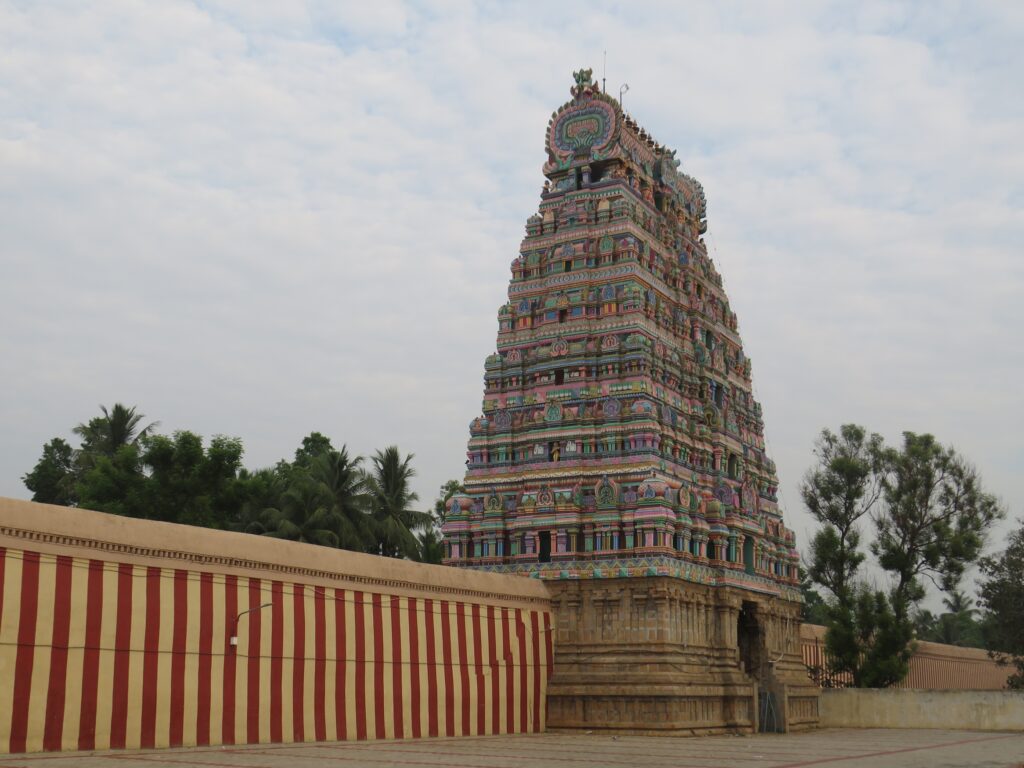
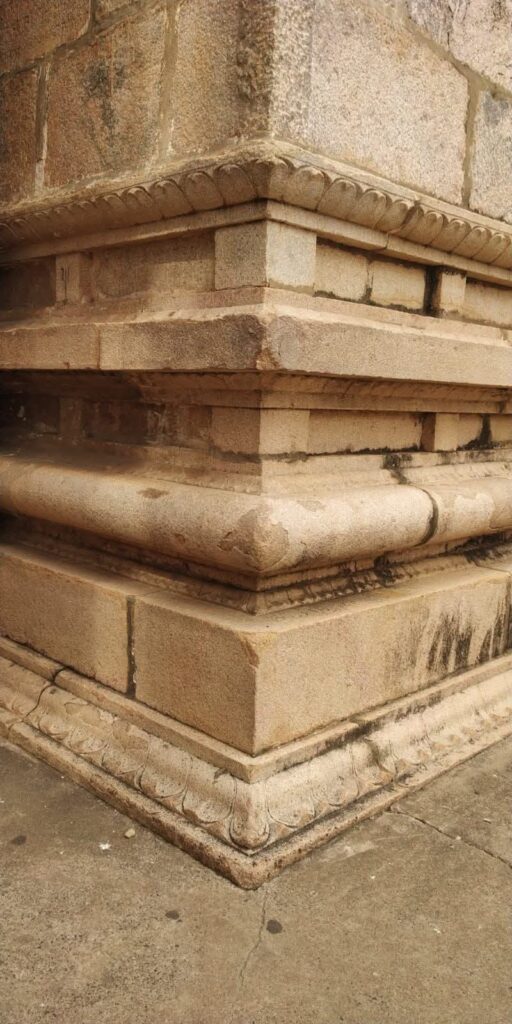
Most of us visit a temple and remember the visible parts.
The deity. The tower. The sculptures. The scale. The colour. The grandeur…
But temple architecture teaches us something deeper when we pause and observe the parts that usually escape attention.
Look at these two photos…
One shows the large, visible structure that immediately attracts the eye. The other shows a small portion near the base, something most visitors may walk past without noticing.
Yet, even that small section has layers of thought within it: upana, maha padma, kampa, kumuda, pattika, kantha and many other elements. Each has a role. Some provide stability. Some create proportion. Some add beauty. Some hold inscriptions. Some simply support the structure without demanding attention.
That is the difference between seeing and observing.
The same lesson applies in the corporate world.
Many people see the visible outcomes: revenue, awards, launches, dashboards, presentations, titles and success stories. But leaders must learn to observe what holds those outcomes together.
The process discipline. The governance. The documentation. The follow-ups. The people who quietly prevent escalations. The risks identified early. The corrections made before failure becomes visible. The operational details that never make it to the celebration slide.
A big picture is important, but a big picture without attention to finer details is only a distant view.
True leadership is the ability to see both: the visible height and the invisible base.
Because what stands tall is often carried by something that stayed low.
********************************************************************************************************
Well, we often mistake leadership for speaking.
Speaking first. Speaking loudly. Speaking in every meeting. Having an opinion on everything.
Come on!
Not every room needs our voice. Not every conflict needs our immediate reaction. Not every discussion becomes better because we added one more sentence.
Sometimes, the strongest person in the room is not the one speaking the most. It is the one listening carefully, reading the room, waiting for the right moment, and then saying exactly what is needed.
Silence is not absence.
Silence is not weakness.
Sometimes, silence is observation. Sometimes, it is maturity. Sometimes, it is strategy.
In a world that rewards noise, knowing when not to speak is also leadership.
And knowing when to speak makes it even more powerful.
I swear. 😀 😀 😀
********************************************************************************************************
Well, leadership is not always about entering the fight.
Sometimes, it is about knowing when not to.
Come on!
Not every situation needs noise. Not every problem needs force. Not every decision needs a dramatic display of authority.
In corporate life, we often confuse action with leadership and visibility with impact.
But sometimes, the person who stays calm, holds the direction, and quietly influences the outcome creates more impact than the person who takes the centre stage.
Restraint is not weakness.
It is power under control.
And honestly, that may be one of the hardest forms of leadership.
I swear. 😀 😀 😀
********************************************************************************************************
Well, some people have a strange belief.
If the sentence is difficult to understand, it must be intelligent.
If the word is complex, the thought must be deep.
If nobody understands it fully, it must be very strategic.
Come on!
Complex words do not always show intelligence. Sometimes, they only hide unclear thinking.
Real clarity is not in making people feel small. Real clarity is in making a difficult idea easy for others to understand.
Because the objective of communication is not to scare people.
It is to reach people.
Simplicity is not weakness. It is hard work done properly.
And honestly, if we cannot explain something simply, maybe we have not understood it clearly enough.
I swear. 😀 😀 😀
********************************************************************************************************
Well, praise is a dangerous place. 😀
Promotion, recognition, visibility, applause…all nice things, of course.
Come on! Who does not like a little appreciation?
But real leadership begins after the applause. Some people relax once they are praised. Some people slow down after they get the title. Some people start believing they have already arrived.
But the better ones keep learning…Not because someone is forcing them. Because their purpose demands more from them.
They choose preparation over comfort… Growth over gratification… Capability over status…That, I feel, is where leadership quietly begins…
True leaders are not shaped only by rewards.
They are shaped by what they choose to do after the rewards arrive.
I swear. 😀 😀 😀
********************************************************************************************************
Well, not all leaders sit at the head of the table.
Some do not have the title. Some do not make the loudest announcements. Some do not even try to be visible.
But when things become uncertain, they are the ones people quietly look for.
Come on!
Leadership is not always about giving instructions, conducting reviews, or owning the biggest designation.
Sometimes, leadership is simply staying calm when others are anxious. Listening when others are overwhelmed. Holding people together when things are slowly falling apart.
Some people lead without authority.
They guide through presence. They support without noise. They sense what is not said. They steady the team without making it a performance.
Titles may define roles…But presence defines leaders.
I swear. 😀 😀 😀
********************************************************************************************************
Perhaps the greatest mystery is not whether God exists, nor how this vast universe continues to function, but why human beings, despite knowing how uncertain and temporary life is, still choose to hurt one another, pull others down, and stop a fellow human being from growing and shining.
********************************************************************************************************
The distance between people is often not caused by the problem that occurred, but by the silence that followed…the things left unsaid, the feelings never expressed, and the conversations that never happened.
********************************************************************************************************
Leadership through the Bhagavad Gita: Sama-Darshinah
The Bhagavad Gita speaks of sama-darshinah…the ability to look at people with an equal vision.
I often wonder how relevant this is in corporate life.
It is easy to be respectful to someone more senior than us. It is easy to respond quickly when the message comes from someone influential. It is easy to be warm when there is something to gain.
Leadership is tested elsewhere….How do we treat someone junior to us? Do we greet them with the same warmth? Do we listen when there is no immediate benefit? Do we respond with the same courtesy irrespective of designation, grade, influence, background, or visibility?
Hierarchy may define roles. It should never define human worth.
Perhaps sama-darshinah in leadership is simply this: seeing the designation when the work demands it, but seeing the human being at all other times.
********************************************************************************************************
It is always good to have people around you who are better human beings than you and more intelligent than you. Their goodness should make you reflect on yourself, and their intelligence should keep you grounded enough not to become too proud of who you are.
I have been trying for years to surround myself with such people. Apparently, finding them is proving to be the real test of my intelligence. 😉
********************************************************************************************************
I get attached even to things that stay with me for years. So it is no surprise that I get deeply emotional when people I consider friends leave my life.
Perhaps that is the irony of attachment: I loved them as people, but some eventually proved to be no better than the things I once struggled to let go of.
********************************************************************************************************
Sometimes, a mature person is called immature simply because those around him are not mature enough to understand his maturity.
Likewise, a deeply intelligent person may be seen as strange, impractical, or even below average when the people around him are unable to follow the depth of his thinking.
What appears abnormal to the average mind may simply be a level of thought it has not yet learnt to recognise.
And if you are now wondering whether I am talking about myself… I plead ‘no comments.’ 😉
********************************************************************************************************
Sometimes, the word humanity itself feels like a misnomer.
Quite ironic, actually…a quality named after humans, yet so often missing in them.
Perhaps humanity is one of those beautiful words that human beings invented first and decided to practise later. Rather, I would say…“Humanity” is a strange word; named after humans, but apparently not mandatory for them.
********************************************************************************************************
When we are no longer physically present in someone’s life…whether we move away from a city, leave a company, graduate from a college, shift from a neighbourhood, or eventually leave this world itself…what remains is memory.
Those memories may be warm, inspiring, or perhaps even tinged with envy. But they should never be filled with bitterness or hurt.
We may not always control how people remember us, but we do shape the memories we leave behind.
In the end, presence is temporary. Memory lasts much longer.
********************************************************************************************************
One small piece of unsolicited advice from me: don’t give unsolicited advice. 😄
********************************************************************************************************
Remembering people only when you need something from them is not smart, but shameful; not clever, but opportunistic.
********************************************************************************************************
Whenever I see people carrying too much arrogance, I get one strange thought:
Someone should release a few monkeys behind them.
Nothing brings a person back to earth faster than forgetting all that attitude and simply running for safety. 😄
********************************************************************************************************
Some of my friends never pick up calls, never return calls, and apparently use their phones for everything except… talking.
Which makes me wonder…why do you even have a phone?
Every time I see one of them, I feel like taking that phone away and donating it to someone who actually remembers what a phone was invented for. 😄
********************************************************************************************************
Irrespective of age, grade, education, race, or status, I find some degree of immaturity in almost everyone.
What surprises me is that maturity does not seem to come automatically with age, education, or position.
Perhaps the only thing that really varies is the level of immaturity.
********************************************************************************************************
Of late, I have realised that trying to change the minds of idiots is unnecessary.
Why interfere with their freedom to remain idiots? 😉
********************************************************************************************************
Perception can change your image, never your reality.
********************************************************************************************************
Power is not about dominating those with less power than you. True power lies in protecting them, respecting them, and treating them with equal dignity.
********************************************************************************************************
It is often said that everyone has an unknown side. But that side need not always be darker.
Ideally, there should be a brighter, kinder, better side of us that the world has not fully seen yet.
********************************************************************************************************
Silence can be the cruelest punishment for someone who genuinely cares about you, because indifference often hurts more than anger ever could.
********************************************************************************************************
If even a quarter of the world’s wealthy and intellectually gifted people chose to act with genuine humanity, a remarkable share of humankind’s problems could be addressed.
********************************************************************************************************
The world does not function properly merely because of technically skilled people, intellectuals, scientists, or innovators. It functions because there are still people who feel deeply and care about others.
Without emotion, there is no real care. Without care, people become indifferent to one another. And a world full of intelligence but empty of concern for fellow human beings cannot truly function.
********************************************************************************************************
There is a saying often attributed to Gandhiji: “An eye for an eye makes the whole world blind.”
Likewise, if people choose to respect only those above them in status, very few will ever receive the respect they deserve. After all, almost everyone has someone above them in rank, wealth, power, or position.
Respect loses its meaning the moment it becomes hierarchical.
********************************************************************************************************
One of the greatest paradoxes I keep wondering about is this: why do people refuse to do one of the easiest things in life…simply be friendly with another human being?
********************************************************************************************************
The more closely I observe people, including myself, the more I feel that adulthood does not completely erase childhood.
Education, career, money, status and experience may shape how we present ourselves to the world. But somewhere underneath, the impressions formed in the first ten or fifteen years often remain — fear, hesitation, insecurity, jealousy, confidence, maturity, immaturity, and the need for acceptance.
Most of the time, adulthood teaches us how to manage or hide them. But in certain moments, however briefly, the child we once were quietly appears in the way we react.
Perhaps we grow older much faster than we grow beyond our earliest experiences.
********************************************************************************************************